Caloric Values of Food Items (Indian): Complete Daily Portion & Macro Guide
Knowing the everyday Indian caloric values of food items is the foundation of mindful eating, whether your goal is weight loss, muscle gain, or managing blood sugar. However, most nutrition charts list raw ingredients per 100 grams, which is rarely helpful when you are sitting down to a plate of hot rotis, a bowl of dal, and cooked sabzi.
This guide provides realistic caloric and macronutrient values for common Indian food items based on standard cooked household portions—including medium chapatis, 150 ml steel katoris, and level tablespoons.
Caloric Values of Food Items: Standard Indian Portion Sizes Explained
Before looking up numbers, it helps to calibrate what a standard serving looks like in an Indian kitchen:
- 1 Standard Katori (Small/Medium): Holds approximately 150 ml of liquid or 150 g of dense cooked food (dal, sabzi, curd, or cooked rice).
- 1 Medium Chapati / Roti: Made from a dough ball of roughly 30 g whole wheat flour (atta), rolled to 6 inches in diameter.
- 1 Standard Cup: 240 ml volume.
- 1 Teaspoon (tsp) of Ghee/Oil: 5 ml (~4.5 g fat), which equals roughly 40–45 kcal.
1. Rotis, Parathas, and Breads (Per Piece)
Breads form the carbohydrate base of North, West, and Central Indian meals. The major calorie variable is the amount of fat used during kneading, roasting, or brushing.
| Item | Serving Size | Calories (kcal) | Protein (g) | Carbs (g) | Fat (g) | Key Notes |
| Phulka / Chapati (Dry) | 1 medium (30g flour) | 75 | 2.8 | 15.5 | 0.5 | Whole wheat, no added oil/ghee |
| Chapati with Ghee | 1 medium + 1 tsp ghee | 120 | 2.8 | 15.5 | 5.2 | Brushed with standard ½ to 1 tsp ghee |
| Jowar (Sorghum) Roti | 1 medium (35g flour) | 95 | 2.5 | 20.0 | 0.8 | Gluten-free, high fiber |
| Bajra (Pearl Millet) Roti | 1 medium (35g flour) | 110 | 3.2 | 21.5 | 1.4 | Dense, winter staple, sustained satiety |
| Ragi (Finger Millet) Roti | 1 medium (35g flour) | 100 | 2.2 | 22.0 | 0.5 | High in calcium and fiber |
| Plain Tawa Paratha | 1 medium | 160 | 3.5 | 22.0 | 6.5 | Cooked with 1.5 tsp oil/ghee |
| Aloo Paratha (Stuffed) | 1 medium | 240 | 5.0 | 34.0 | 9.5 | Cooked with moderate oil/butter |
| Paneer Paratha (Stuffed) | 1 medium | 290 | 11.0 | 28.0 | 14.0 | Higher protein, denser calorie load |
| Tandoori Roti (Atta) | 1 piece | 115 | 3.5 | 24.0 | 0.5 | Baked in tandoor without butter |
| Butter Naan (Maida) | 1 piece | 285 | 7.0 | 42.0 | 10.0 | Refined flour with butter wash |
| Puri (Deep-Fried) | 1 medium (small) | 105 | 1.8 | 12.0 | 6.0 | Absorbs oil rapidly during frying |
2. Rice and Grain Preparations (Cooked Portions)
Plain cooked grains expand 2.5 to 3 times in weight by absorbing water. The calorie values below reflect cooked weights.
| Item | Cooked Portion | Calories (kcal) | Protein (g) | Carbs (g) | Fat (g) |
| Steamed White Basmati Rice | 1 Katori (150 g) | 195 | 4.0 | 42.0 | 0.5 |
| Steamed Brown Rice | 1 Katori (150 g) | 175 | 4.2 | 36.0 | 1.5 |
| Jeera Rice | 1 Katori (150 g) | 230 | 4.0 | 38.0 | 7.0 |
| Vegetable Pulao | 1 Katori (150 g) | 220 | 4.8 | 38.0 | 5.5 |
| Moong Dal Khichdi | 1 Katori (180 g) | 210 | 8.5 | 36.0 | 3.5 |
| Vegetable Biryani | 1 Plate (250 g) | 330 | 7.5 | 52.0 | 10.5 |
| Chicken Biryani | 1 Plate (300 g) | 490 | 26.0 | 54.0 | 18.0 |
| Curd Rice (Thalippu) | 1 Katori (180 g) | 220 | 6.5 | 32.0 | 7.5 |
| Cooked Foxtail Millet | 1 Katori (150 g) | 165 | 5.0 | 32.0 | 1.8 |
3. Dals, Legumes, and Lentils (1 Medium Katori / 150 ml)
Dals provide essential vegetarian protein, soluble fiber, and micronutrients. A typical homestyle dal uses roughly 30 grams of raw lentil per serving.
| Item | Serving Size | Calories (kcal) | Protein (g) | Carbs (g) | Fat (g) |
| Yellow Moong Dal (Homestyle Tadka) | 1 Katori (150 ml) | 135 | 8.0 | 18.0 | 3.5 |
| Toor / Arhar Dal (Standard Sambar/Varan) | 1 Katori (150 ml) | 150 | 8.5 | 21.0 | 3.5 |
| Masoor Dal (Red Split Lentil) | 1 Katori (150 ml) | 140 | 9.5 | 19.0 | 3.0 |
| Chana Dal (Bengal Gram) | 1 Katori (150 ml) | 165 | 9.0 | 22.0 | 4.5 |
| Rajma Masala (Kidney Beans) | 1 Katori (150 ml) | 190 | 10.5 | 27.0 | 4.5 |
| Chole / Chana Masala (Chickpeas) | 1 Katori (150 ml) | 210 | 10.0 | 29.0 | 6.0 |
| Dal Makhani (Restaurant Style) | 1 Katori (150 ml) | 290 | 10.5 | 24.0 | 16.0 |
| South Indian Vegetable Sambar | 1 Katori (150 ml) | 115 | 5.5 | 18.0 | 2.5 |
| Tamarind Rasam (Thin) | 1 Katori (150 ml) | 45 | 1.5 | 7.0 | 1.2 |
4. Vegetable Sabzis and Curries (1 Medium Katori / 150 g)
Vegetable calories vary heavily between dry stir-fries (sukhi sabzi), water-based gravies (tari wali sabzi), and restaurant-style onion-cashew-butter curries.
| Item | Cooked Portion | Calories (kcal) | Protein (g) | Carbs (g) | Fat (g) |
| Lauki / Bottle Gourd Sabzi | 1 Katori | 75 | 1.8 | 9.0 | 3.5 |
| Bhindi Masala (Okra) | 1 Katori | 120 | 2.8 | 12.0 | 6.8 |
| Aloo Gobi (Potato & Cauliflower) | 1 Katori | 155 | 3.5 | 19.0 | 7.5 |
| Baingan Bharta (Roasted Eggplant) | 1 Katori | 135 | 2.5 | 11.0 | 9.0 |
| Mix Vegetable Sabzi (Dry) | 1 Katori | 130 | 3.8 | 14.0 | 6.5 |
| Palak Paneer (Homestyle) | 1 Katori | 240 | 11.5 | 8.0 | 18.0 |
| Paneer Butter Masala (Rich Gravy) | 1 Katori | 360 | 12.5 | 14.0 | 28.0 |
| Egg Curry (2 Boiled Eggs in Gravy) | 1 Katori | 260 | 14.0 | 8.0 | 19.0 |
| Homestyle Chicken Curry | 1 Katori (incl. 100g chicken) | 230 | 22.0 | 6.0 | 12.5 |
| Butter Chicken (Cream & Butter) | 1 Katori (incl. 100g chicken) | 340 | 20.0 | 9.0 | 25.0 |
5. Dairy, Breakfasts, and Daily Snacks
Small daily additions like sweet milky chai, biscuits, or fried tea-time snacks often contribute 300 to 500 uncounted calories per day.
| Item | Standard Portion | Calories (kcal) | Protein (g) | Carbs (g) | Fat (g) |
| Plain Dahi / Curd (Toned Milk) | 1 Katori (150 g) | 95 | 6.0 | 7.5 | 4.5 |
| Paneer (Raw, Full-Fat) | 50 grams | 145 | 9.0 | 2.0 | 11.5 |
| Idli (Steamed Rice-Urad) | 1 medium piece (50g) | 65 | 2.2 | 14.0 | 0.3 |
| Plain Dosa | 1 medium | 140 | 3.5 | 24.0 | 3.5 |
| Masala Dosa with Potato Filling | 1 medium | 320 | 7.0 | 46.0 | 12.0 |
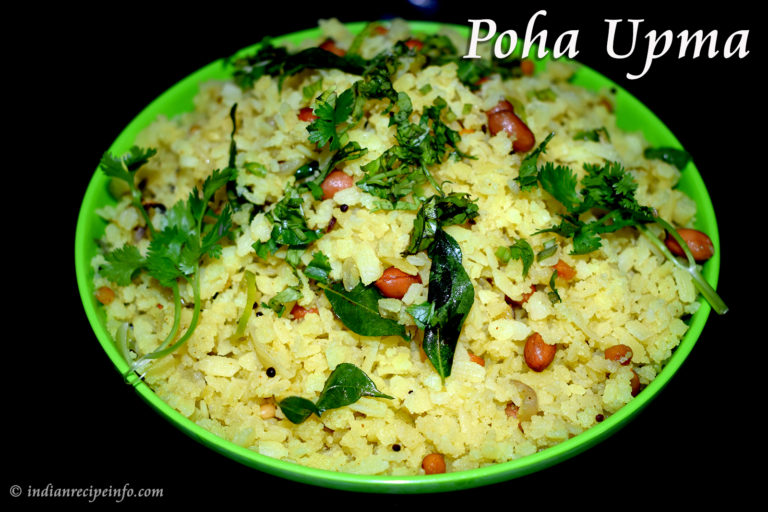
| Vegetable Poha | 1 Katori (120 g) | 210 | 4.5 | 34.0 | 6.0 |
| Rava Upma | 1 Katori (120 g) | 200 | 5.0 | 31.0 | 6.5 |
| Moong Dal Cheela | 1 medium | 95 | 6.5 | 11.0 | 2.5 |
| Boiled Egg (Large) | 1 egg (50g) | 75 | 6.3 | 0.5 | 5.0 |
| Masala Chai (with Milk & 1 tsp Sugar) | 1 cup (150 ml) | 95 | 3.0 | 12.0 | 3.5 |
| Samosa | 1 piece (medium, 70g) | 240 | 4.0 | 28.0 | 12.5 |
| Vada Pav | 1 piece | 290 | 6.0 | 37.0 | 13.0 |
The Hidden Calorie Multiplier: Cooking Oils & Ghee
The most common reason home-cooked Indian diets exceed caloric targets without the eater realizing it is the unmeasured use of cooking fat.
- 1 level teaspoon (5 ml) of Oil or Ghee = ~42 kcal
- 1 level tablespoon (15 ml) of Oil or Ghee = ~125 kcal
Consider how two identical-looking bowls of Bhindi Sabzi differ based on pan technique:
- Diet-Conscious Sabzi: Cooked with 1 tsp oil per serving = ~120 kcal total
- Traditional Generous Sabzi: Cooked with 1 tbsp oil per serving = ~205 kcal total
A difference of 85 calories per serving comes entirely from cooking fat that disappears into the vegetables without altering the volume on your plate. Measuring cooking fats with a spoon rather than pouring straight from the oil jar is the fastest way to manage your daily caloric intake.
Example Balanced Indian Thali: Calorie Comparison
Here is how common meal combinations stack up:
Plate A: Standard Everyday Weight-Management Thali (~475 kcal)
- 2 Medium Phulkas (No Ghee): 150 kcal
- 1 Katori Yellow Moong Dal: 135 kcal
- 1 Katori Lauki Sabzi: 75 kcal
- ½ Katori Fresh Curd (Toned Milk): 50 kcal
- 1 Plate Cucumber & Tomato Salad (no dressing): 35 kcal
- Total Protein: ~21g
Plate B: Indulgent Weekend / Restaurant Thali (~980 kcal)
- 2 Plain Parathas: 320 kcal
- 1 Katori Dal Makhani: 290 kcal
- 1 Katori Paneer Butter Masala: 360 kcal
- Total Protein: ~26g (with triple the fat content)
Frequently Asked Questions
Which Indian dal has the lowest calories?
Yellow moong dal and masoor dal are the lowest in calories when prepared homestyle with minimal oil (approx. 130–140 kcal per 150 ml katori). Because they break down quickly, they require very little cooking fat to achieve a rich, comforting consistency.
How many calories are in 1 chapati with ghee?
A standard 6-inch chapati made with 30 grams of whole wheat flour contains roughly 75 calories. Adding 1 level teaspoon of desi ghee adds 42–45 calories, bringing the total to approximately 120 calories.
Does white rice have more calories than brown rice?
The caloric difference between cooked white and brown rice is minimal: 100 grams of cooked white basmati contains approximately 130 kcal, while brown rice contains around 115–120 kcal. The primary advantage of brown rice is its higher dietary fiber content, which slows digestion and helps prevent rapid blood glucose spikes.
What is the highest calorie vegetarian Indian food item?
Deep-fried sweets (such as Gulab Jamun and Jalebi at 150–200 kcal per piece) and restaurant gravies prepared with heavy cream, butter, and cashew paste (such as Dal Makhani, Shahi Paneer, and Malai Kofta at 320–420 kcal per katori) are the most calorie-dense.