Easy Mutton Brain Curry | How to Make Bheja Fry Recipe
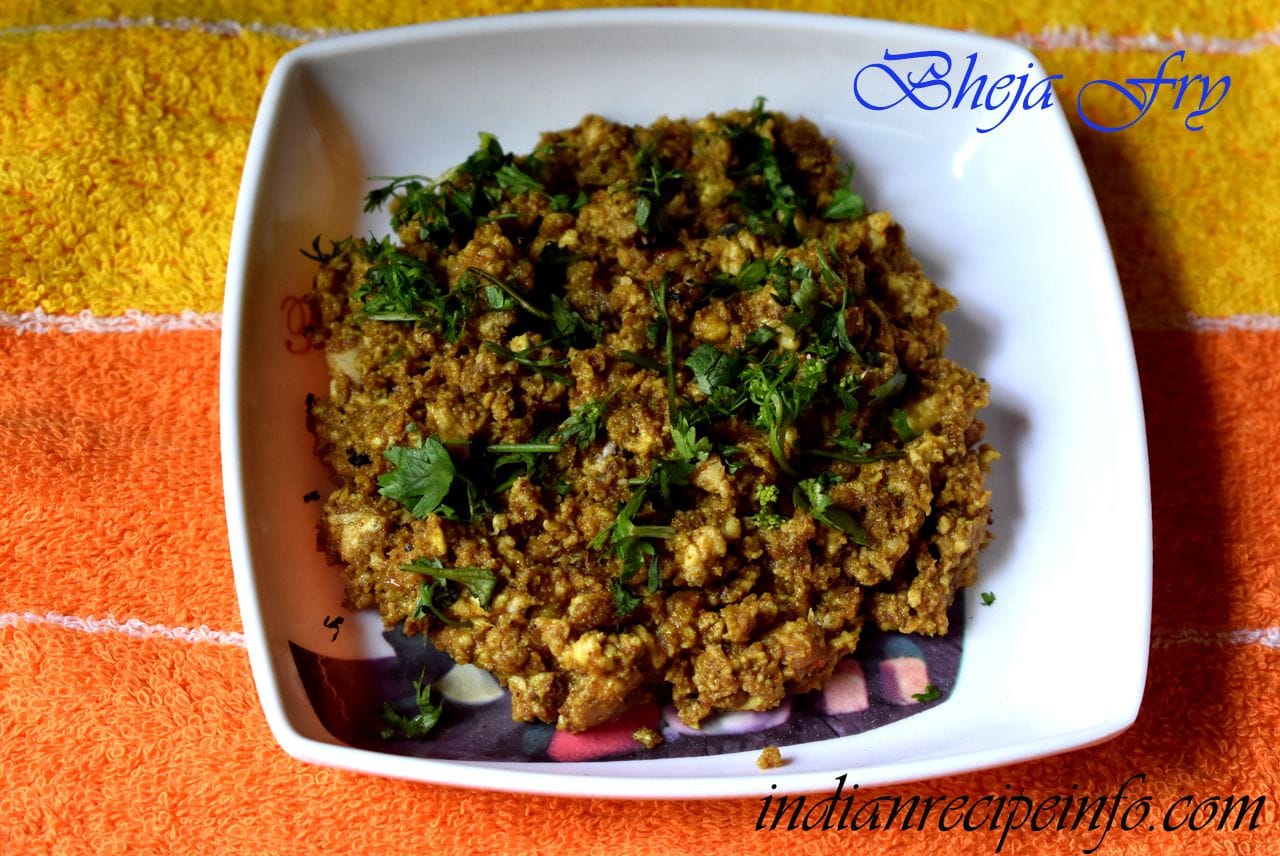
Mutton Brain Curry (also called Bheja Fry). This is one of my most treasured recipes, and I’m excited to pass its secrets on to you. To some people, the thought of preparing mutton brain may strike them as daunting or foreign, but trust me, the end result is a remarkably tender, creamy, and flavorful luxury worth all the trouble.
My culinary adventure with this recipe started years back, observing my grandmother, a real culinary master, turn simple ingredients into a culinary masterpiece. Her kitchen, which was always filled with the smell of fried spices, was my first kitchen school. She taught me that the success of an excellent dish lies not in the ingredients, but in the love and care you put into cooking it.
This Mutton Brain Curry is evidence of that credo. It is a dish that transcends cultures, found in some form or another around the world, ranging from the rich North Indian curries to the juicy Middle Eastern stews. Preparing the perfect Bheja Fry Recipe is an art, a subtle mixing of spices that enhance the distinct texture of the mutton brain.
We’ll visit the ingredients that set this dish apart, the methods that guarantee a flawless result, and the rich history that makes it so much more than a meal. So let’s take this tasty trip together and discover the secrets to making a truly memorable Mutton Brain Curry that will have your guests begging for your secret recipe.
A Journey of Flavor: My Personal Story with Mutton Brain Curry
The first time I had Mutton Brain Curry wasn’t at a gourmet restaurant, but in the steamy, cozy kitchen of my grandmother. I was a kid, hiding over the counter, my nose quivering with excitement. The perfume of roasted spices filled the air, and the rhythmic pat of her mortar and pestle was music. She referred to it as Bheja Fry, and to me, it was alchemy.
I recall being amazed at the tender texture of mutton brain, a rich, almost custard-like consistency that soaked up all the flavor from the pungent spices. She explained to me about how this was a delicacy, a special occasion dish and one for those who loved good food. It was not only a recipe; it was a bridge to our heritage, a tradition that had been passed down through generations.
Years later, being a professional chef, I’ve had the honor of preparing this dish for many. Every time I’m taken back to my grandmother’s kitchen. The pure joy of watching someone’s face light up when they take their first bite of my Mutton Brain Curry is something I don’t have words for. It’s the sum of years of learning, testing, and respecting traditions that have formed me.
It’s the recipe for Bheja Fry that I’m presenting to you today, a testament to her, a mix of her age-old methods and my own creativity. It’s the kind of dish that teaches you patience, repays you with a flavor explosion, and reminds you the greatest food is usually the most soulful. This is not a recipe article; it is a shared experience, an exploration of flavor, and a celebration of the beauty of the simple, deep joy of cooking.
You may also like to check other recipes:
Chicken Korma and
How to Make Mutton Brain Curry or Bheja Fry:
- Add sliced onions, garam masala powder, mango powder and garlic flakes in a blender.
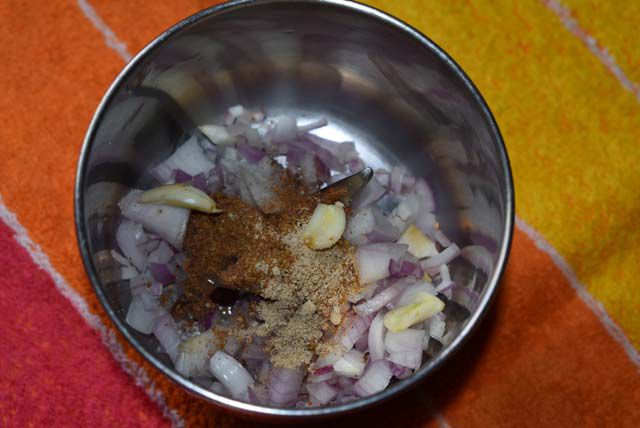
- Make a fine paste.
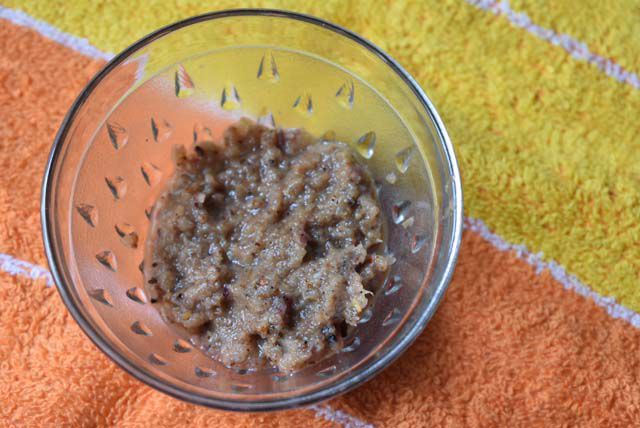
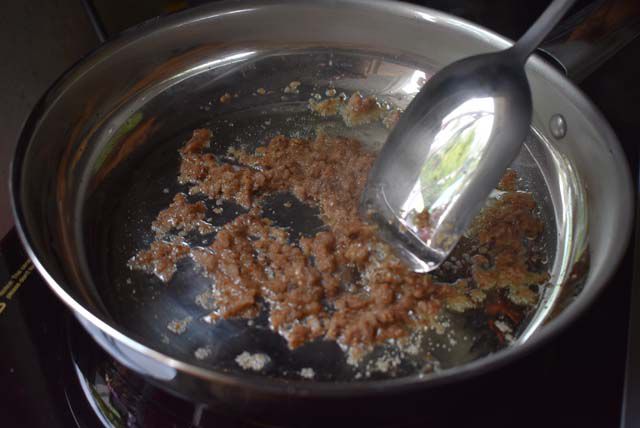
- Heat oil or ghee in fry pan, fry the paste till its golden brown
- Add the mutton brain to the paste and fry for some more time.
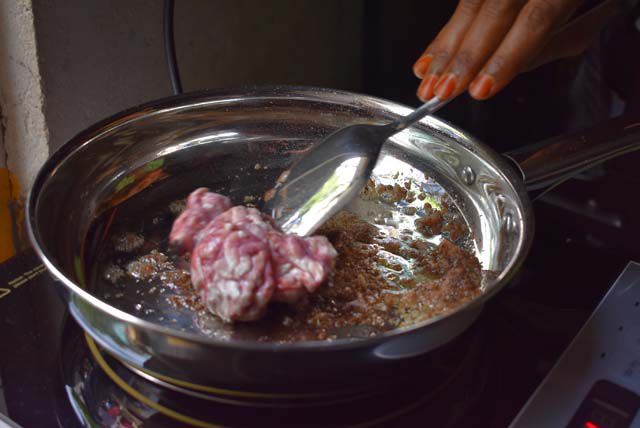
Note: Don’t wash the brain
- Add half tablespoon turmeric powder to remove non-veg essence.
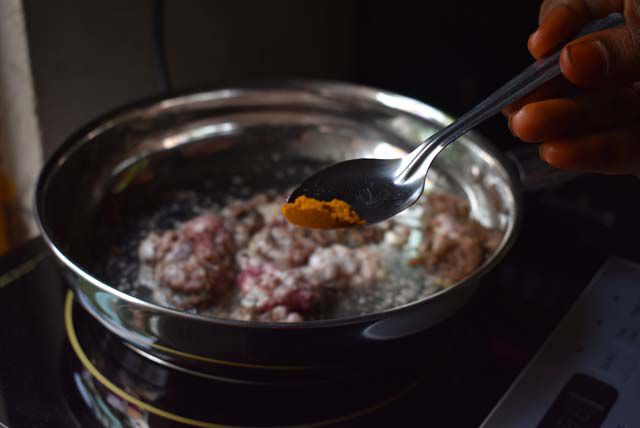
- Add a half tablespoon of salt.
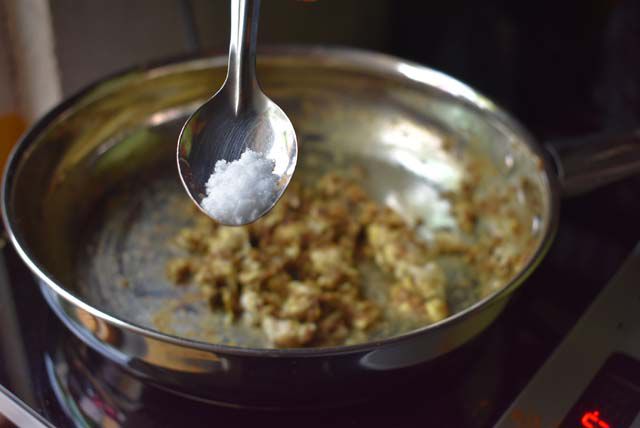
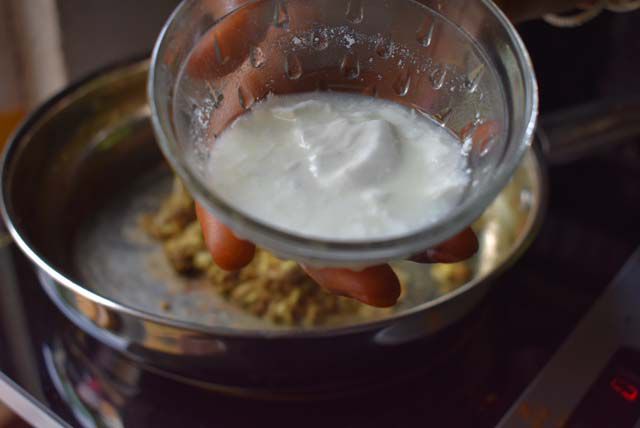
- Mix yogurt(curd) to the mix and saute gently till all spices mix.
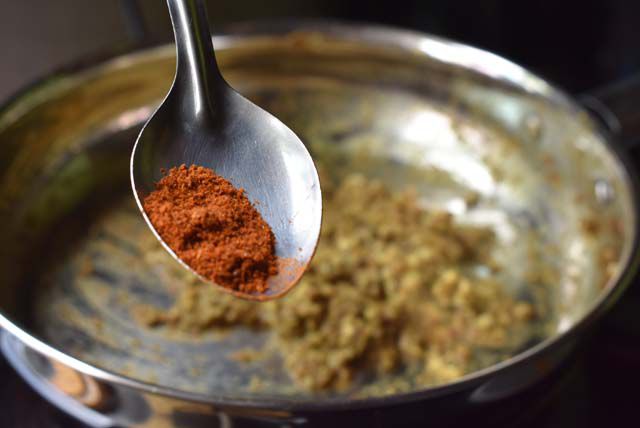
- If you like to have spicy, add little red chilli powder
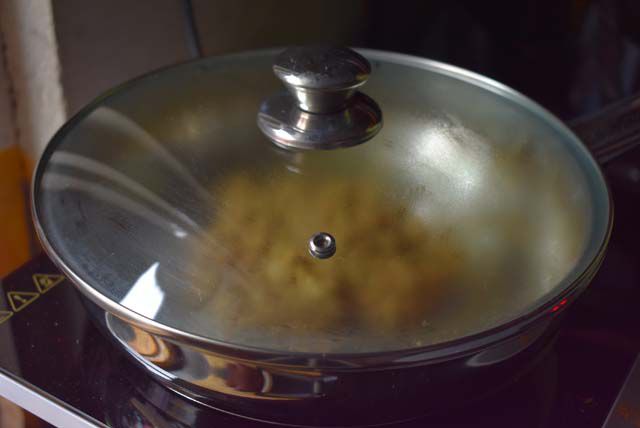
- Mix all ingredients and cover the pan with a lid and cook for 2 minutes.
- Garnish with coriander leaves
- Mutton brain curry is ready. Serve hot.
Learn how to make Mutton Brain Curry in this quick video!
The Science of Flavor: Understanding Our Key Ingredients
A good recipe is only as great as its ingredients. Here, we will explore the individual contributions each ingredient makes in making an ideal Mutton Brain Curry. How well these ingredients work together is what makes this dish go from great to legendary.
Mutton brain: The pièce de résistance of our spectacle! Mutton brain is extremely tender and has a creamy, distinctive texture that absorbs flavors superbly. It’s packed with nutrients and the richness forms the indulgent foundation for our curry. The trick is to cook it gently to preserve its fragile texture.
Mango powder (Amchur): This is our secret weapon! Mango powder imparts a lovely, tangy sourness which balances the greasiness of the mutton brain. It lightens the flavor profile and introduces a complexity that makes the curry more balanced and interesting. It’s a crucial ingredient in an excellent Bheja Fry Recipe.
Yogurt/ Curd: Yogurt plays a dual role. First, it softens the meat and imparts a lovely creamy texture to the gravy. Second, its slight acidity balances the chili powder’s heat and the fattiness of the meat, giving it a balanced and well-blended flavor.
Garam masala powder: The essence of Indian curries, garam masala is a mixture of warm, roasted spices such as cinnamon, cardamom, cloves, and black pepper that leaves a rich, aromatic aftertaste. We add it towards the end to keep its aromatic oils intact and impart our Mutton Brain Curry with the characteristic warmth and richness.
Chopped onion: Onions are the base of our gravy. Sautéed until brown, they give out a natural sweetness that caramelize and provide depth to the flavor. They also give body and texture to the curry.
Garlic: Garlic is an absolute must for any good Indian curry. Its strong, aromatic flavor creates a solid foundation and complements the other spices quite well. It gives a strong punch that is necessary for a hearty Bheja Fry Recipe.
Coriander powder: Coriander powder’s flavor is gentle, citrusy, and slightly sweet. It serves as an ideal base spice, adding bulk and a nice earthiness to the curry without dominating the subtle mutton brain.
Coriander leaves: We finish with fresh coriander leaves. They add a flash of fresh, herbaceous flavor and a lovely green color. We use them as a garnish to release a bright aroma and add a further level of complexity.
Oil/ Ghee: Our cooking medium. Adding ghee (clarified butter) gives a rich, nutty taste typical of old Indian cuisine. It’s also very important for sautéing the spices and onions just right so that they release their full potential.
Turmeric powder: Turmeric is a spice powerhouse. Not only does it color our curry this lovely golden hue, but it also imparts a soft earthy taste. It is famous for its anti-inflammatory benefits and is a mainstay in Indian kitchens.
Red chilli powder: This is where you control the heat! Red chili powder adds a fiery kick and a beautiful red color. You can adjust the quantity based on your preference for a mild or spicy Mutton Brain Curry.
Salt: Salt is the key seasoning. It brings out the best in all the other tastes, getting them to work together. Begin with a little and add more according to need to get the best balance.
Expert Tips for the Perfect Mutton Brain Curry (Bheja Fry Recipe)
It takes more than following a recipe to create a truly outstanding Mutton Brain Curry. It’s about knowing the subtleties and using a couple of seasoned tips that can make your dish leap from good to gourmet.
Treat the Mutton Brain with Care: Mutton brain is very fragile. When you’re washing it, handle it softly. The thin coating around it can be peeled off quite easily after a flash blanch in hot water. Treat it gently to avoid any rough handling that could make it break down too soon. That is the trick to a perfect Bheja Fry texture.
The Magic of Slow Cooking: Don’t hurry the process, particularly when sautéing the onions. Onions form the foundation of your gravy, and slow-cook them until golden brown in color. This slow cooking will create a deep, sweet flavor that cannot be achieved with a speedy fry. It is this slow-cooked patience that makes a professional Mutton Brain Curry taste so divine.
Use Fresh, High-Quality Spices: The difference between stale, pre-packaged spices and freshly ground ones is huge. If at all possible, toast and grind your own garam masala and coriander powder. The flavor and smell will be way better and will make your Mutton Brain Curry exceptional.
Don’t Skip the Yogurt: The yogurt is not just for creaminess. It’s a crucial tenderizer and a flavor balancer. Make sure your yogurt is at room temperature before adding it to the hot pan to prevent it from curdling. Whisk it well before adding to ensure a smooth, velvety gravy.
Add Garam Masala at the End: Many home cooks commit this error. Garam masala is a mixture of aromatic spices whose essential oils are volatile. Adding it towards the end of cooking, just before garnishing with coriander leaves, means its full aroma and flavor are retained and infuse the entire dish.
Seasoning in Stages: Avoid adding the entire salt amount all at once. Add a pinch while sautéing onions and spices and later season to taste. This avoids over-salting and enables you to get that perfect flavor balance.
The Special Spices and Their Significance
Each spice used in this Bheja Fry Recipe serves a purpose, yet some are the extra-special ones that need closer observation.
Mango Powder (Amchur): We’ve already discussed its contribution of tanginess, but in this case, let’s discuss why it is absolutely ideal for this dish. Pungent curries can sometimes become overpowering or one-note. The crisp, sharp tang of amchur is a welcome contrast. It’s flavor equivalent to a burst of lemon on a rich food—cutting through the fat and lifting the whole flavor profile so every mouthful of Mutton Brain Curry is more thrilling. Its sweet, tart flavors are way more sophisticated and intriguing than simple lemon juice or vinegar.
Garam Masala: The name itself is “warm spice mix,” and that’s precisely what it does. In contrast to some spices that are intended to cook for hours, garam masala is all about finishing. The combination of cinnamon, cloves, cardamom, and mace produces a potent bouquet of aromas. These spices are chosen with care so as to produce a warming, comforting feeling without imparting too much heat. It’s the grand finale, the aromatic signature that makes this Mutton Brain Curry something special and memorable.
Variations and Recipe Tips
While the classic Mutton Brain Curry is a sensory experience, it’s also a good canvas to experiment on. Here are some ideas and suggestions to modify the recipe and make it your own.
Hotter Version: For the hot-heads, you may add more red chili powder. For more depth with smokiness, use a mixture of Kashmiri red chili powder (for color) and something spicier like cayenne or finely chopped green chili.
Creamier Gravy: To make your gravy richer, you can add a tablespoon of cream or a dash of coconut milk towards the end. This will add a creamier texture to your Bheja Fry Recipe.
Smoky Flavor: For adding a subtle smoky flavor, you can employ the dhungar technique. Put a small bowl of hot, burning charcoal in the middle of your cooked curry. Sprinkle some drops of ghee or oil on top of it and cover the pan immediately with a lid. Leave it for a couple of minutes. The smoky flavor will penetrate the curry, giving it another depth.
Alternative Protein: Although this recipe is specifically for Mutton Brain Curry, you can use the gravy base to cook other proteins. You may replace the mutton brain with paneer, mushrooms, or boiled eggs for a veg variant. But for a genuine Bheja Fry Recipe, mutton brain plays the central role.
Gluten-Free Version: All ingredients in this recipe are by nature gluten-free. Just make sure the spices you use are pure and do not have additives.
Vegan/Vegetarian Version: Although no direct vegan equivalent for mutton brain exists, you can still derive a comparable flavor. Employ the same spice mix and substitute the mutton brain with extra-firm tofu or mushrooms, especially oyster mushrooms, which can be pan-fried to provide a chewier texture. Do not include the yogurt but instead use a vegetable alternative or a small amount of cashew paste for creaminess.
Serving Suggestions and Complementary Dishes
A wonderful meal is about more than the centerpiece. The side dishes you select can turn your Mutton Brain Curry into an experience you’ll never forget.
Bread: The richest way to have a rich curry like this is to have something to mop up all of that wonderful gravy. Naan (particularly garlic naan), roti, or a light fluffy paratha are all great options. If you want an easy and fast one, you can accompany it with toasted bread or a fresh baguette.
Rice: Steaming basmati rice or a scented jeera (cumin) rice is an old favorite. The neutral taste of rice makes a great background for the strong flavors of the curry.
Side Dishes: A simple side salad of thinly sliced onions, tomatoes, and cucumbers with a squeeze of lemon will add a fresh, crunchy contrast. A raita, which is yogurt mixed with cucumber or mint, will also help to cool the palate, especially if you’ve made a spicy Mutton Brain Curry.
Drinks: To accompany the intense, spicy flavors, a plain glass of chilled buttermilk (chaas) or a glass of nimbu pani (fresh lime water) is ideal. For something more indulgent, a light, crisp Indian pale ale makes a good alternative.
Keeping Leftovers: Useful Tips
One of the best things about a good curry is that it often tastes even better the next day. Here’s how to properly store your leftover Mutton Brain Curry.
Cool it Down: Allow the curry to cool completely to room temperature before storing it. Putting hot food directly into the refrigerator can raise the temperature of the fridge, putting other items at risk.
Airtight Container: Move the curry into an airtight container. This prevents other foods from getting absorbed into it and the curry from losing freshness.
Refrigeration: Your Mutton Brain Curry will remain fresh in the fridge for 3-4 days. The ingredients will have ample time to mix with each other, generally creating a bolder and more delectable flavor.
Freezing: If you are making a big quantity, this curry freezes wonderfully. Store it in a freezer-safe container with a small gap at the top for expansion. It can be frozen for 2-3 months. To thaw, just put it in the refrigerator overnight.
Reheating: The best method to reheat your curry is over low to medium heat on the stovetop. Re-add a splash of water or a small milk to provide it with the proper consistency again. Stir every now and then until heated through. Don’t reheat your curry in the microwave, since it has a tendency to sometimes leave the mutton brain a bit rubbery.
Nutritional Information (Approximate values per serving)
This Mutton Brain Curry is not only tasty, but also rich in protein and other essential nutrients. Remember that these are rough estimates and may change depending on the precise amount and quality of your ingredients.
- Calories: 350-400 kcal
- Protein: 15-20g
- Fat: 25-30g
- Carbohydrates: 10-15g
- Sodium: 400-500mg
- Fiber: 2-3g
The mutton brain is in itself a healthy source of fats, protein, and iron. The spices, particularly the turmeric, also add value to the dish in terms of nutrition, with anti-inflammatory and antioxidant benefits. This Bheja Fry Recipe is a nutritious and satisfying meal.
Ingredients and Substitutes
At times, you may not have all the ingredients with you. Following are some probable substitutes which can assist you in still preparing a great Mutton Brain Curry.
Mutton brain: This is the main ingredient and hard to substitute with an original experience. But if you are on a lookout for a similar texture, you can make use of paneer or soft boiled eggs.
Mango powder (Amchur): This can be replaced with a teaspoon of lemon juice or a little tamarind paste, but add towards the end of the cooking time. The taste will be somewhat different but will give the required tang.
Yogurt/ Curd: If in some hurry, you can make do with a little heavy cream or coconut milk for the creamy texture, but the taste will be altered.
Oil/ Ghee: Use any neutral tasting oil such as vegetable or canola oil. Ghee does impart a special, rich flavor and is strongly suggested to use for this Bheja Fry Recipe.
Red chili powder: You may substitute finely chopped green chilies, red chili flakes, or even paprika for a less fiery heat.
Frequently Asked Questions (FAQ)
Q: How do I clean the mutton brain?
A: To clean mutton brain, the best is to rinse it gently in cold water. Next, remove the thin, delicate membrane covering it carefully. You may blanch it in hot water for a minute to loosen the membrane so that it will be easy to peel. Handle the brain very carefully as it is very delicate.
Q: Can I prepare this recipe in a pressure cooker?
A: Yes, you can heat the gravy base in a pressure cooker for quicker preparation, but for cooking the mutton brain itself, do not do that. The pressure will break up the soft brain and make it mushy. To cook the brain, use an open pan and stir gently.
Q: Why is this dish so rich?
A: The richness of this Mutton Brain Curry is derived from the combination of mutton brain, which in itself is rich in fat, and the fact that ghee and yogurt are added to the gravy. Slow cooking of onions and spices also adds to the depth of flavor.
Q: Is Mutton Brain Curry spicy?
A: The spiciness can be fully adjusted. You can regulate the heat as per your taste by adjusting the amount of red chili powder you use. My recipe asks you to use it “as per your taste” so that you can adjust it according to your taste.
Q: Can I substitute with chicken brain?
A: Of course, you can use other animal brains, but mutton brain is the most popular and has a great texture and flavor. Chicken brain is too small and may not do well in a curry. The Bheja Fry Recipe is specifically designed for mutton brain.
Q: How do I know if the mutton brain is cooked?
A: The mutton brain is done when it turns from a light pink color to a firm off-white. It will also become firm to the touch. It cooks very quickly, usually just a few minutes in the gravy. Don’t overcook, or it will be hard. This is one of the tips to a good Bheja Fry Recipe.
Mutton Brain Curry, Bheja Fry Recipe, How to Make Mutton Brain Curry
Ingredients
Ingredients for Mutton Brain Curry or Bheja Fry:
- Mutton brain – 1 no.
- Mango powder – 1/2 tbsp.
- Yogurt/ Curd – ¼ cup
- Garam masala powder – 1/2 tsp.
- Onion chopped – 1 no.
- Garlic – 6 flakes
- Coriander powder – 1/2 tbsp.
- Coriander leaves – half bunch
- Oil/ Ghee – 4 tbsp.
- Turmeric powder – 1/2 tbsp.
- Red chilli powder – As per your taste optional
- Salt – As per your taste
Instructions
How to Make Mutton Brain Curry or Bheja Fry:
Preparation of Masala:
- Add garlic, onions, mango powder (Aamchur) and garam masala powder in a Mixer and make a fine paste, Keep aside.
Preparation of Brain Curry:
- In a saucepan, heat oil and add above masala paste and saute for a while till it reaches golden brown color.
- Add fresh brain to this paste and fry for a minute.
- Sprinkle a little salt, turmeric powder, red chilli powder and yogurt.
- Mix all ingredients gently and cook for 2 minutes with lid covered.
Garnish Mutton Brain Curry Recipe with coriander leaves and serve hot.