Easy Aloo Bhujia Recipe | Namkeen Sev Recipe
Aloo Bhujia recipe, a crunchy, flavorful potato and gram flour noodle that was so much more than a mere snack. Miles would be traveled to obtain a brand new batch of his namkeen sev recipe. It was a testament to his ability and a basic fact: food made by someone who cares always tastes its best, and this Aloo Bhujia recipe was a recipe that contained the heart of our family.
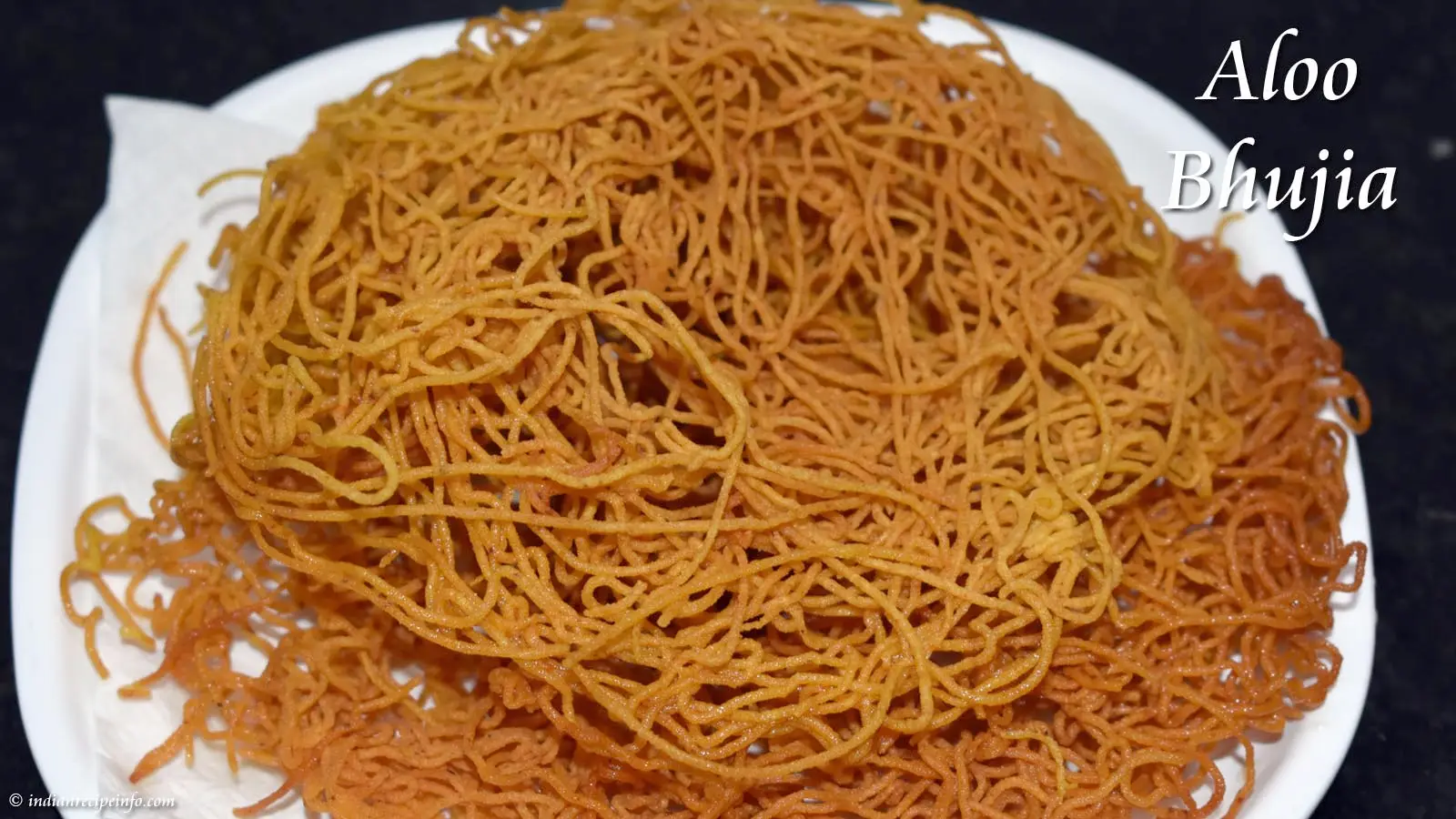
About Aloo Bhujia Recipe: The Authentic Namkeen Sev Recipe
Aloo Bhujia has a rich history that originates from the Indian culinary culture, particularly in the states of Rajasthan and Gujarat. It is one of the namkeens, a generic term for savory snack food, and is actually a thin, crunchy noodle prepared from a dough of boiled potatoes and chickpea flour. While there are hundreds of variations of sev and bhujia throughout India, the one that makes Aloo Bhujia stand out from the rest is the addition of potatoes, which provides it with a distinct texture and taste. This namkeen sev recipe is a best-case example of how simple ingredients can be turned into something truly remarkable.
Even the name, Aloo Bhujia, is a giveaway to what its primary ingredients are: Aloo translates to potato, and Bhujia is a crispy snack. This specific namkeen sev recipe has become incredibly popular not only in India but everywhere else as well. But then the packaged versions tend to be stale and lack the depth of flavor that a home-made Aloo Bhujia recipe enjoys. The potato brings a lightness and melt-in-your-mouth texture that you simply cannot achieve without it.
It’s a snack that tends to bring back nostalgia in Indians, reminding them of childhood and festive celebrations. It’s the ultimate comfort food in its purest sense. I have spent years refining this Aloo Bhujia recipe, and I am excited to share some of my tips on how to make the ultimate batch of this authentic namkeen sev recipe. It’s not only about the end result; it’s about the journey and love that is put into each strand.
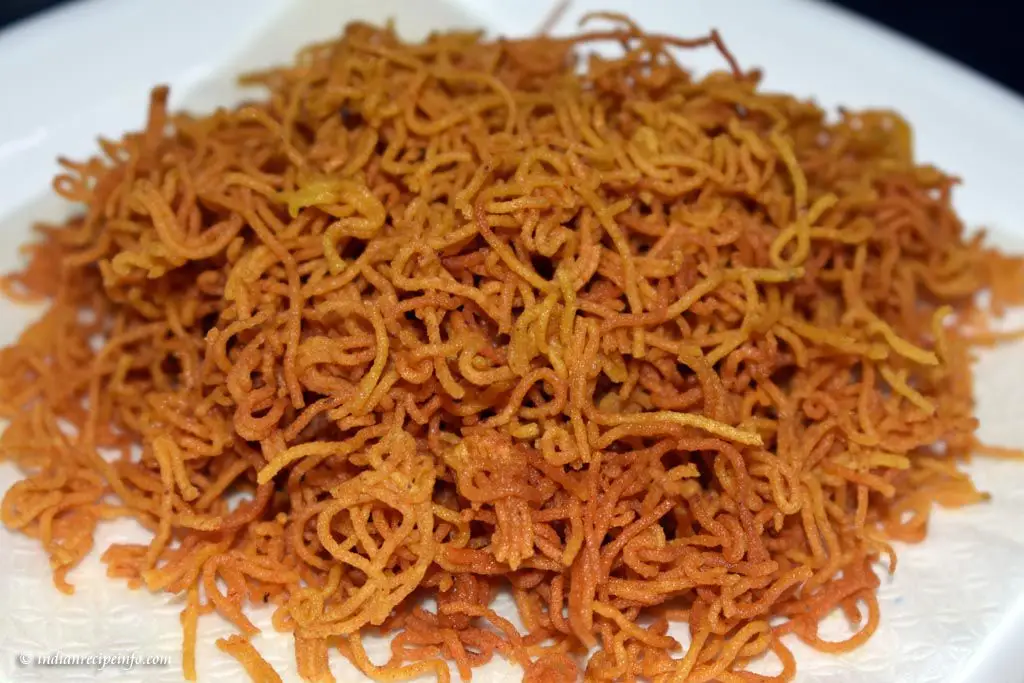
TIPS to make perfect Aloo Bhujia Recipe:
- Once potatoes are boiled, either we can grate them or blend them in a mixer grinder to get a soft paste.
- We can substitute garam Masala powder with chat Masala or pav bhaji Masala.
- Sometimes we may end up with aloo lumps if we grate so I made a smooth paste.
- If you want to experiment with the flavour of this recipe try adding ginger powder and onion powder.
- As sev is very thin and the batter has potato this must be deep-fried on low flame.
- Once the namkeen sev turns golden brown remove it from the oil or else it get burnt in no time.
- We may sprinkle spice powder over the aloo bhujia recipe immediately when removed from the oil.
- Sprinkling spice powder on sev, while the oil is hot, will stick and last for a long time.
- When making them in large quantities, store them in an air-tight container.
- While mixing all the ingredients if you feel the batter is hard we can add a little water with spoons or if the batter becomes loose then add chana dal flour to get a smooth batter.
- If the batter is hard, it becomes hard to squeeze the murukku mold whereas if it loses then it absorbs more oil.
- When we press sev directly in oil, we feel hot vapors of oil and if your skin is sensitive it may get burnt. Be careful in choosing the right murukku press.
You may also like to check other recipes:
How to make Aloo Bhujia Recipe:
1. Boil potatoes and slice them into small pieces.
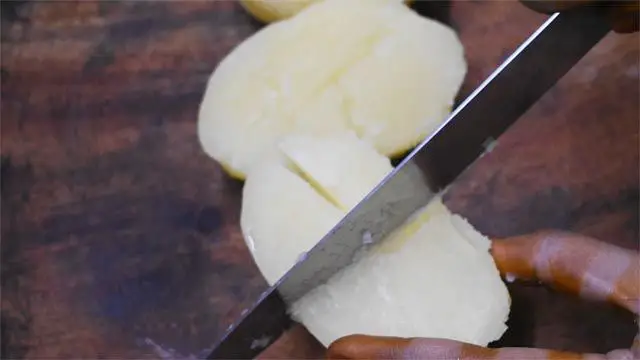
2. Put these slices into a mixer grinder and grind to a soft paste. Transfer to mixing bowl.
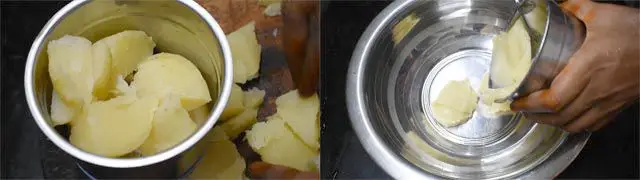
3. Add chana dal flour, turmeric powder, salt and red chilli powder.
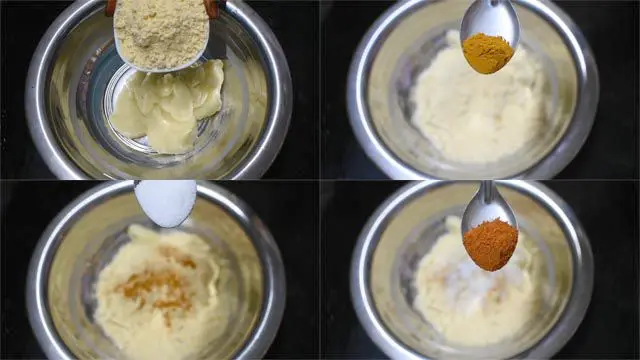
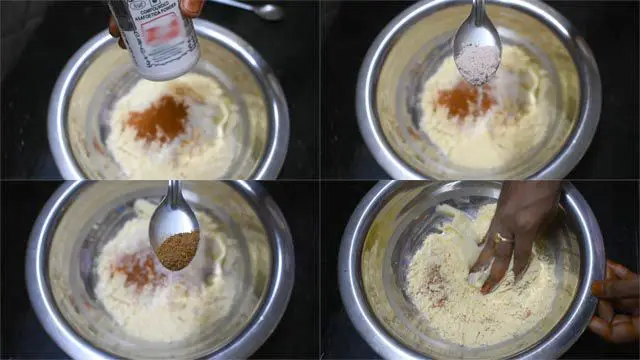
4. Sprinkle a pinch of asafetida, rock salt and Garam Masala powder. Mix well till you get a thick paste.
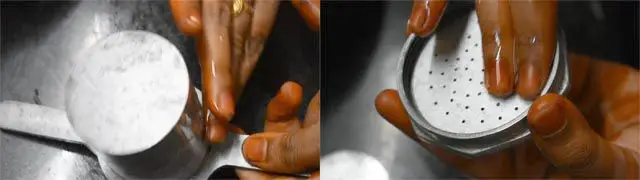
5. Put sev plate in murukku mold and grease mold with oil so that batter does not stick to walls.
6. Take a small portion of the batter and put it in the murukku mold and close the lid.
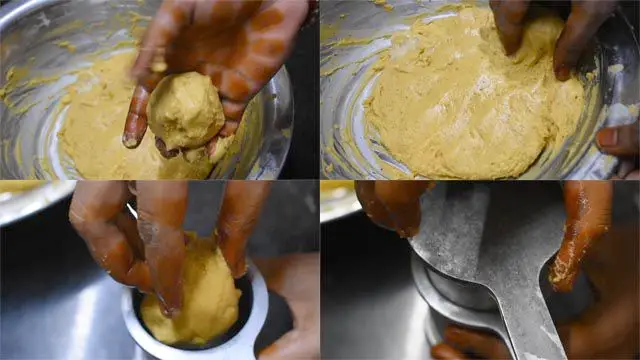
7. In a kadai heat oil, once the oil is ready, press the batter directly into the oil.
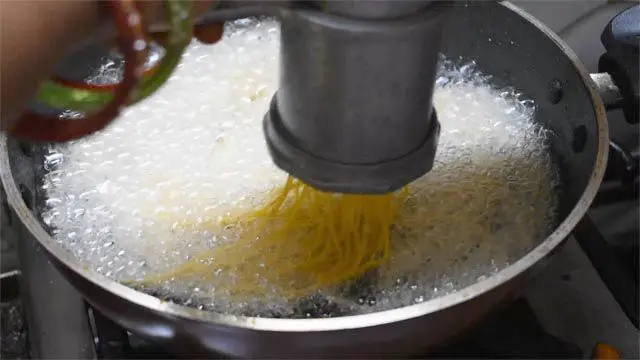
8. Fry for a while and once sev becomes a bit hard, flip to the other side and fry for few seconds.
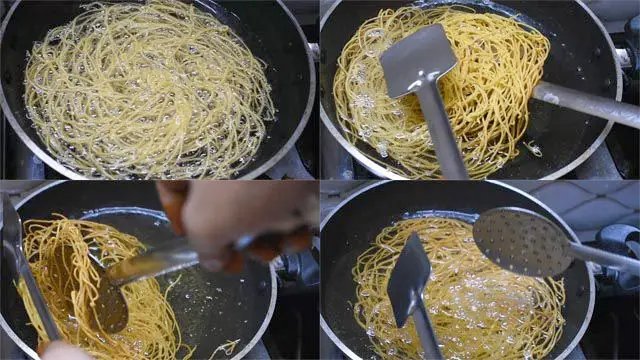
9. When bhujia turns golden brown color, remove from oil using a colander and transfer to another plate which has a kitchen towel spread on it.
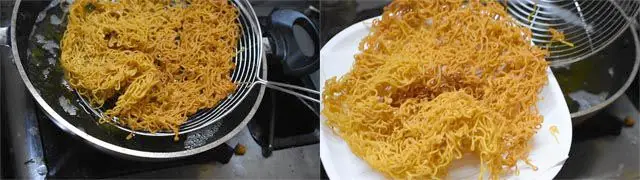
10. Store Aloo Bhujia Recipe in an air-tight container once it is cool and crisp.
Learn how to make Palak Paneer in this quick video!
Why These Ingredients Make the Perfect Aloo Bhujia Recipe
The magic of this Aloo Bhujia recipe lies in the simplicity and synergy of its ingredients. Each one plays a vital role in creating the perfect texture, flavor, and crunch. This isn’t a recipe with a hundred items; it’s a masterclass in making a few ingredients sing.
Potato/Aloo: The headliner! Potato forms the essence of this Aloo Bhujia recipe. Boiled and mashed, it gives a special softness and starchiness to the dough, thereby giving the final product a lighter, more delicate texture. It’s what makes this different from a normal namkeen sev recipe.
Chana Dal Flour/Besan Flour: The base of the snack. Besan flour is an Indian staple in savory snacks. It imparts the distinctive nutty taste to the bhujia and contributes the structure. It’s the combination of besan and potato that makes the best, melt-in-your-mouth crunch of our Aloo Bhujia recipe.
Turmeric Powder: Greater than its color. Turmeric powder contributes a lovely golden color to the bhujia, making it aesthetically pleasing. It also possesses a very slight, earthy taste and is recognized for its health advantages, such as its anti-inflammatory nature.
Salt and Rock Salt: The enhancers of flavors. Salt is essential in seasoning, but a dash of rock salt (referred to as black salt or kala namak) takes it to another level. It gives a nice tangy, sulfurous flavor that makes the Aloo Bhujia recipe irresistibly authentic and addictive. It is a hidden ingredient in some of the finest namkeen sev recipes.
Red Chilli Powder: Heat and color. Red chilli powder provides the bhujia with a hot kick and an eye-catching red-orange hue. You can add whatever level of heat you like, ranging from mild to hot.
Asafetida/Hing: The aromatic digestif. A pinch of asafetida or hing contributes a strong, pungent smell typical of most Indian savory snacks. It’s also used traditionally to help with digestion, which is handy when frying.
Garam Masala Powder: The final spice mixture. Garam masala powder provides a final coating of warm, fragrant spices to the Aloo Bhujia dish. The mixing of spices in the blend provides the snack with an intricate, soothing flavor profile.
Oil to deep fry: The agent of transformation. Employing the proper type of oil and ensuring that it is at the appropriate temperature is essential in making the right crunch and avoiding sogginess in the bhujia.
The Special Spices and Their Importance
Each spice in this Aloo Bhujia recipe serves a purpose, a reason for its existence that extends beyond flavor alone. They are the essence of this traditional namkeen sev recipe.
Asafetida (Hing): This is a strong spice, but when cooked with in small quantities, it softens into a rich, oniony taste. Its biggest utility in this Aloo Bhujia recipe is digestion, as it makes the fried snack kinder to the stomach.
Rock Salt (Kala Namak): Rock salt is different from normal salt in that it has a unmistakable sulfuric taste that provides an amazing depth and richness to the flavor. It’s what provides so many Indian snacks with their classic, zesty taste experience. It is a hidden ingredient for any true namkeen sev recipe.
Garam Masala: A combination of warm spices such as cinnamon, cloves, and cardamom, garam masala provides a warm, aromatic finish. It isn’t merely a garnish; it’s an added depth of flavor that ties all the ingredients of the Aloo Bhujia recipe together.
Variations
Vegan & Gluten-Free: This Aloo Bhujia recipe is naturally vegan. For a gluten-free version, ensure your hing is gluten-free (some brands contain wheat flour) and use a gluten-free besan flour.
Hotter Version: To make it hotter, just add more red chilli powder. You may also include a pinch of black pepper powder.
Flavor Variations:
Tangy Bhujia: Mix in half a teaspoon of dry mango powder (amchur) into the dough to give it a yummy, tangy flavor.
Garlic Bhujia: Mix in a tablespoon of finely grated garlic into the dough for a strong, savory taste.
Spicy Mint Bhujia: You can add a teaspoon of dried mint powder to the dough. It introduces a nice, cool flavor to the hot snack.
Practical Tips on Storing Leftovers
Aloo Bhujia is one of those snacks you won’t want to be without. A little bit of attention to storage will help keep it nice and crisp.
Cool Completely: The initial step is to allow the bhujia to cool completely at room temperature before storing. Storing it when it is warm will cause condensation within the container, hence the bhujia becomes soggy.
Airtight Container: Store the cooled Aloo Bhujia in an airtight container, which must be dry and clean. A glass or metal container is better than plastic as it will keep the crunch intact.
Shelf Life: If stored correctly, home-made Aloo Bhujia can be fresh and crunchy for a period of 3-4 weeks. Place the container in a dry, cool area that is not exposed to direct sunlight. Avoid refrigeration since the moisture tends to soften it.
Reviving Soggy Bhujia: If your Aloo Bhujia has softened a bit, there is no problem. Simply spread a single layer of the bhujia on a baking sheet and bake in a preheated oven at a very low temperature (about 250°F or 120°C) for 5-10 minutes. This will get it all crispy again.
Recommended Pairings and Complements
This Aloo Bhujia recipe is exceptionally versatile and may be enjoyed in numerous ways. It’s not only a snack served on its own; it’s also an excellent accompaniment to numerous other dishes and drinks.
Classic Combinations
With Coffee or Tea: A mug of hot coffee or tea is the traditional accompaniment for every Indian namkeen. The heat of the drink is the perfect foil for the salty, spicy crunch of the Aloo Bhujia.
With Indian Sweets: Sweet and savory is a classic combination in Indian food. Pairing Aloo Bhujia with a sweet such as jalebi or gulab jamun makes for a nice balance of taste.
As a Topping: This namkeen sev is a great topping for several Indian street foods. Use it as a topping for chaat, pani puri, or sev puri to add a crunch and flavor boost.
Modern Pairings
On Salads: Top salads with crushed Aloo Bhujia as a crouton-like element. It provides a tasty crunch and savory bite.
In Wraps and Sandwiches: Add some Aloo Bhujia within your wraps or sandwiches for an unexpected and rewarding crunch. It works very well with a creamy or acidic filling.
As a Garnish for Soups: As a nice contrast to a smooth soup, such as tomato or lentil soup, sprinkle crushed bhujia on top.
Nutritional Information
Though Aloo Bhujia is fried, it’s also prepared from wholesome items. Here’s a rough nutritional outline.
- Potatoes: Rich in potassium and vitamin C.
- Besan Flour: A high protein flour that is also rich in fiber.
- Spices: The spices employed here, i.e., turmeric, asafetida, and rock salt, are all known for their antioxidant and digestive benefits.
(Note: Nutritional details may vary considerably depending upon oil employed and frying duration. The values are an estimate and not a replacement for expert nutritional guidance.)
Serving Suggestions
Serving Aloo Bhujia is easy. Its charm lies in its simplicity.
In a Bowl: Serve generous Aloo Bhujia servings in a large bowl for sharing.
In Small Plates: Serve individual servings on small plates as an appetizer before a meal or with a round of drinks.
As a Topping: Have a small bowl of crushed Aloo Bhujia standing by so people can top their food.
FAQ Section: Aloo Bhujia (Namkeen Sev Recipe)
Q1: Is it possible to turn this into a gluten-free Aloo Bhujia recipe?
Yes, this Aloo Bhujia recipe is gluten-free by nature if you make sure your hing (asafetida) is not blended with wheat flour, which some store-bought brands use. Check the ingredients list attentively or purchase a gluten-free one.
Q2: Why is my bhujia dough extremely sticky?
The Aloo Bhujia dough can become sticky if the mashed potatoes are too wet. This is likely to occur if the potatoes have not been drained well after boiling. If your dough is sticky, add a small amount of besan flour, a tablespoon at a time, until it forms a soft, non-sticky dough.
Q3: What if I do not have a sev maker?
A sev maker is necessary to make the thin, noodle-like pieces that Aloo Bhujia is known for. It’s a small cost for a kitchen gadget that you’ll utilize for numerous other recipes such as chakli and other sev forms.
Q4: Why do I find my bhujia soft after a few hours?
This is typically due to not frying the bhujia for long enough or not draining the oil sufficiently. Ensure that you fry until the sizzling noise dies off, which will mean that all the moisture has evaporated from the dough. Also, ensure that you cool the bhujia right down before placing it in an airtight tin.
Q5: Would this work to be baked rather than deep-fried?
Although you may attempt to bake this Aloo Bhujia recipe, the texture will be entirely different. It is the high heat and short cooking process of deep-frying that provides bhujia with its original crispy, light, and airy consistency. Baking will probably leave the flavor with a harder, cracker-type texture.
Ingredients and Substitutes
Here’s a sneak peek at the ingredients and some possible alternatives. To make the most authentic and tasty Aloo Bhujia recipe, I suggest using the original list.
Potato/Aloo: The main ingredient. No alternative to potato for this Aloo Bhujia recipe.
Chana Dal Flour/Besan Flour: The core of the snack. It is hard to find a replacement to equal the taste and texture, although some recipes call for a tablespoon of rice flour for additional crispiness.
Spices:
- Turmeric, Salt, Red Chilli Powder: These are basic and must-haves.
- Asafetida/Hing: Don’t leave this out. It provides an essential flavor and helps with digestion.
- Rock Salt: Use regular salt if you don’t have rock salt, but then you lose out on the sour taste.
- Garam Masala: Substitute with a pinch of ground cumin and coriander powder for the same warmth, but less complexity.
- Oil: Use a neutral oil with a high smoke point, such as sunflower, canola, or vegetable oil.
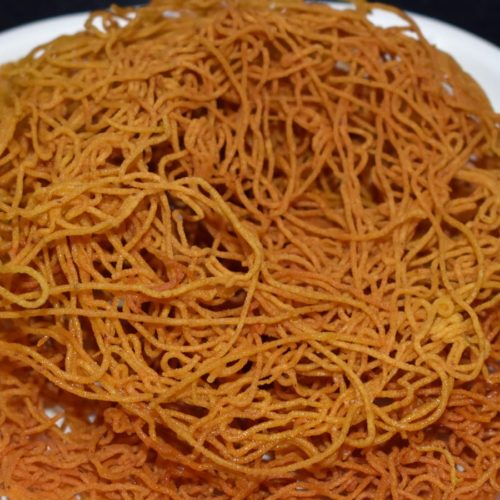
Aloo Bhujia Recipe | Namkeen Sev
Aloo Bhujia Recipe is one of the simple and deep-fried savory snacks made with besan flour and potato as the main ingredients.
Ingredients
- Potato/ Aloo – 250 gms.
- Chana dal flour/ besan flour – 1 cup
- Turmeric powder – ¼ tbsp.
- Salt – ½ tbsp.
- Red chilli powder – ½ tbsp.
- Asafetida/ hing – a pinch
- Rock salt – ½ tbsp.
- Garam Masala powder – ¼ tbsp.
- Oil to deep fry.
Instructions
- Boil potatoes in a pressure cooker by adding little water for 2 whistle blows.
- Slice potatoes into small pieces once they are cooled. Blend them to a soft paste.
- Put aloo paste in a large mixing vessel and add besan flour, a generous quantity of turmeric powder to get yellowish color.
- Add rock salt, iodine salt, red chilli powder, asafetida and garam masala powder.
- Mix all ingredients to get thick and soft batter. If needed we can add little oil to make it soft.
- Put small holed sev plate in murukku mold and grease with oil.
- Take a small quantity of batter and fill it to half portion of mold so that it becomes easy to press.
- Heat oil in a pan and press sev directly once oil reaches optimum temperature.
- Lower the heat and deep fry till they slightly turn its colour.
- Flip to other side and fry till they become golden brown colour.
- Remove from oil immediately using a colander and drain excess oil.
- Transfer them over a kitchen towel so that excess oil can be removed.
- If you like to make spicy, we can sprinkle spice powders while namkeen sev is hot.
- Once Aloo Bhujia Recipe turns crisp and cools down, store them in an airtight container.
Recipe Video
Recipe Notes
Consistency is everything: The most critical aspect is the consistency of the dough. It needs to be pliable and slightly sticky like chapati dough. If your dough becomes too tight, add a little water at a time until it’s correct.
Stir the dough well: Take care that the spices are distributed evenly into the dough. Knead it well to get a smooth consistency.
Recipe Tips:
Make a big batch: This namkeen sev recipe is ideal to be made in bulk. It’s good to store and is an excellent make-ahead party snack or just for pantry stocking.
Check the oil: Before frying, put a small piece of dough in the hot oil. If it starts to rise right away with a consistent sizzle, the oil is ready. If it sinks, the oil is too cold. If it immediately burns, the oil is too hot.
Drain properly: Use a slotted spoon to remove the bhujia from the oil and transfer it to a plate lined with paper towels. This will help absorb any excess oil, keeping the bhujia crisp.
4 Comments