Easy Rasam Recipe with Rasam Powder
Rasam Recipe with rasam powder, you’ve reached the correct destination. This isn’t a recipe like any other; it’s a tutorial on how to make an actually authentic and soulful dish that will take you directly to the core of a South Indian home. In my previous posts, I have shown you how to make homemade rasam masala powder without any additives or chemicals. So today I am showing you how to make use of that spice powder.
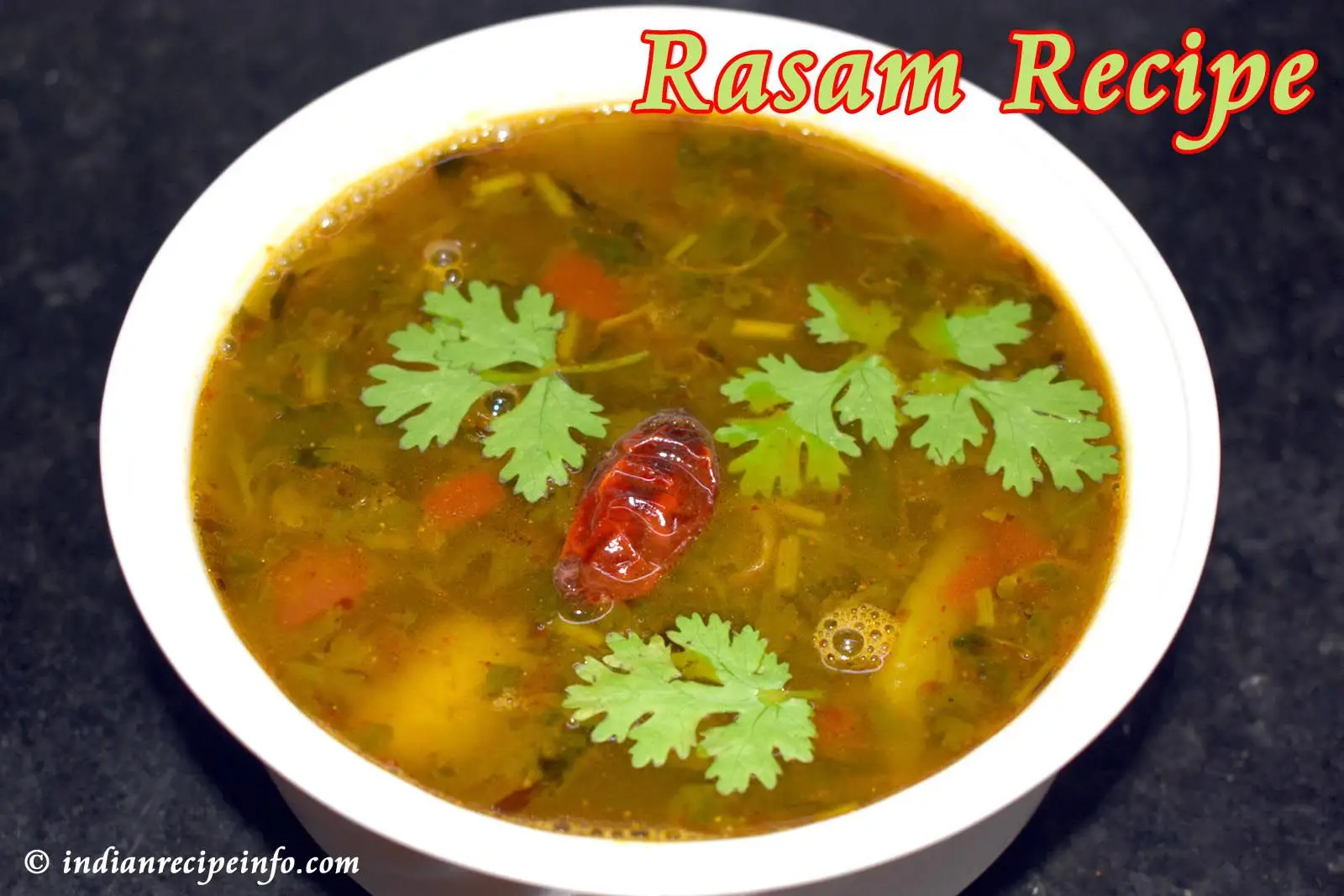
When our stomach is upset or feels heavy then this recipe comes in aid. This is light on the stomach and helps indigestion. This can be used to feed toddlers but has lower spiciness. When you are feeding your child with mudda pappu recipe, if we add rasam recipe, its taste is amazing. Some love to add ghee when had with hot steamed rice.
If you are suffering from a cold or fever, this recipe is best. In my childhood, when I suffered from fever and cold my mom used to put pieces of bread or chapatti in rasam and feed me when they turned soft. Spices like pepper, turmeric powder and tamarind are light on the stomach and give relief from the cold keeping your body warm.
Rasam, which is one of South India’s flavor-tinged soups, is more than just a meal; it’s a staple. From its origins in Tamil Nadu, this unassuming lentil and spice-infused soup has spread around the globe, finding a special place in the hearts and cooking pots of all people.
There are many variations, to be sure, but the key to an excellent rasam is balance between its important ingredients: the tartness of tamarind, the slow burn of chilies, and most crucially, the aromatic complexity delivered by a good-quality rasam powder. This powder is a mixture of roasted spices such as coriander seeds, cumin, black peppercorns, and dry red chilies, carefully ground to perfection.
It is the lifeblood of the dish, providing it with that quintessential warmth and multi-dimensional flavor profile that makes it so distinct. To most, a bowl of rasam is the ultimate comfort food—it’s what you reach for on a cold night, when you’re sick, or just when you need something light but wonderfully satisfying. It’s sometimes served as the second course in a traditional South Indian lunch, after rice and sambar, and is usually accompanied by a serving of steamed rice.
The best thing about rasam is how adaptable it is. It can be a thin soup to sip, a strong accompaniment to rice, or even a healing tonic. However you take it, a good rasam is proof that the magic of unassuming, real ingredients combined can create something truly special. The path to mastering this rasam recipe with rasam powder is a rewarding one, and I’m glad to share my tips with you.
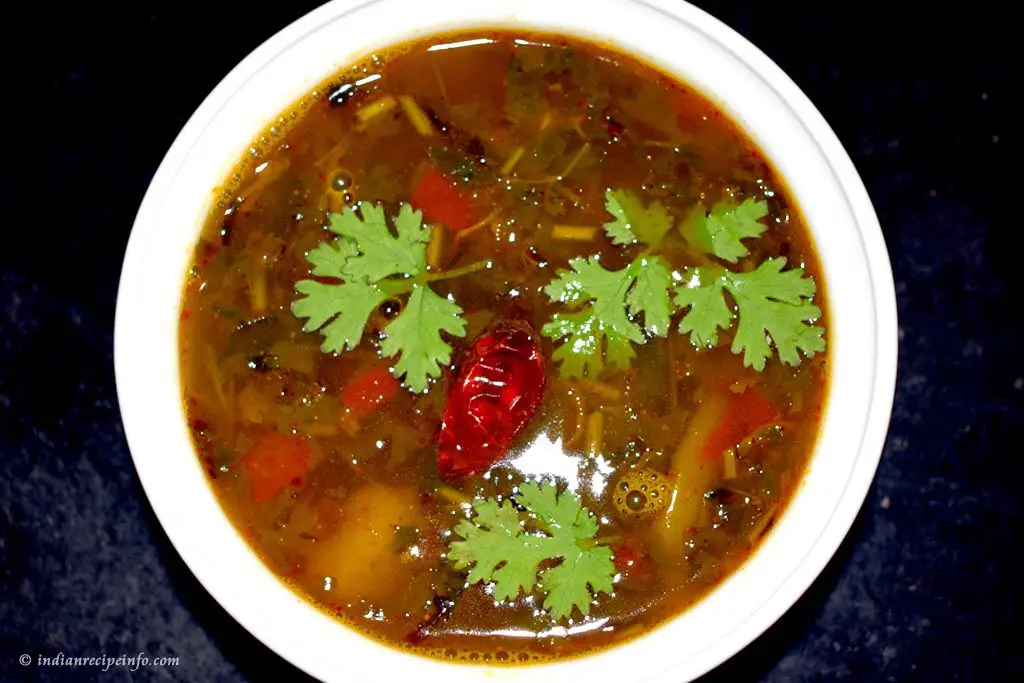
You may also like to check other recipes:
Expert Tips
Making a great rasam is more of an art than a science, but a few key techniques can help you achieve perfection.
Toast Your Spices: If you are preparing homemade rasam powder, lightly toast the whole spices before grinding them to bring out their essential oils and end up with a far more fragrant and flavored powder.
The Power of the Tadka: Don’t rush the tempering process (tadka). Ensure the mustard seeds splutter and the garlic turns a light golden brown before adding the other ingredients. This step is crucial for building the flavor base.
Don’t Boil Your Rasam: The rasam’s golden rule is never to boil it vigorously. Switch off the flame once the rasam reaches a gentle boil. Rasam recipe will lose its subtle flavors and aroma if you boil it. You should notice a frothy top, which is your signal that it is ready.
Taste and Adjust: As a chef, I simply can’t emphasize this enough. Taste your food as you go. Rasam is all about balance. The tang of tamarind, the heat of the chillies, and the salt all must be in proportion. Taste and adjust accordingly.
The Best Rasam is Made with Love: And as my grandmother instructed me, patience and a little bit of love are the most vital ingredients. Don’t hurry the process; indulge in the flavor journey.
How to make Rasam Recipe with rasam powder:
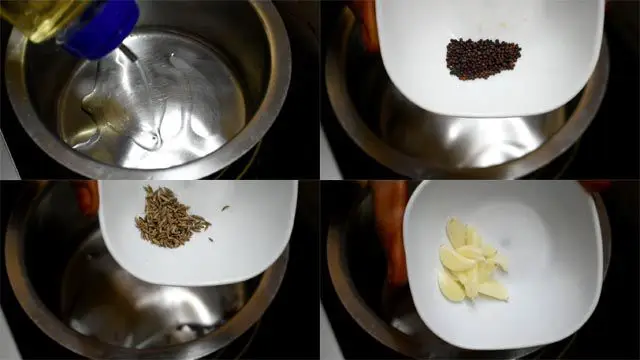
1. Heat oil in a pan, add mustard seeds, cumin seeds and garlic cloves.
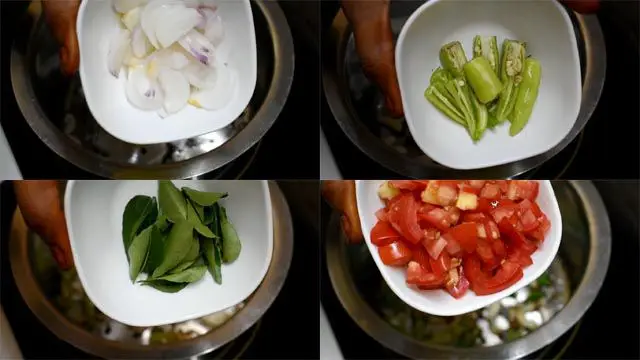
2. Add onions, green chillies, curry leaves and tomatoes.
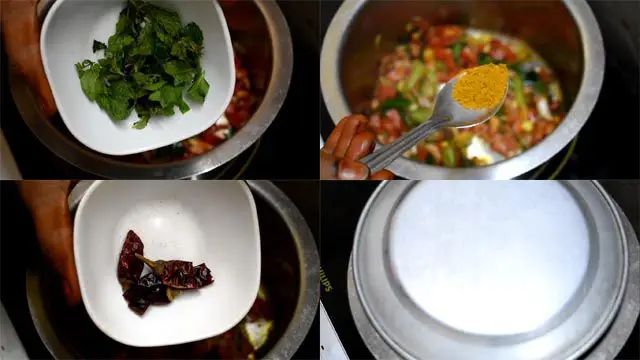
3. Put mint leaves, turmeric powder, dry red chillies and mix well. Cook for a second with the lid covered on low flame.
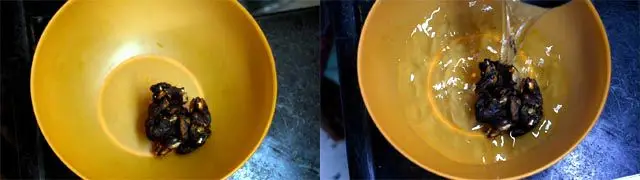
4. Add tamarind in a bowl and add a little water to it. Soak for 5 minutes and squeeze to extract the pulp.
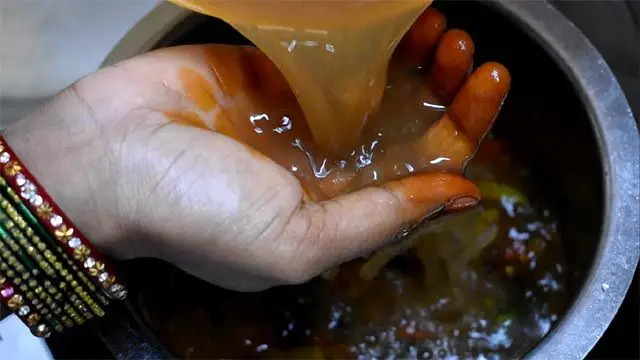
5. Open the lid, and put tamarind juice directly into a vessel by filtering the pulp with your hand.
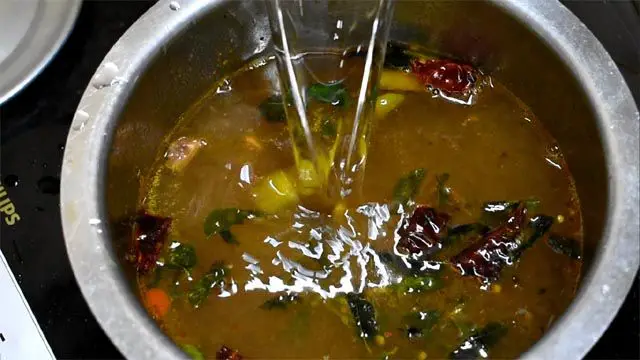
6. Once you put tamarind extract, if needed we can add water as per your need.
7. Based on the quantity of rasam recipe, we add salt. I have used approximately 1 liter of water and added 1 tbsp. salt.
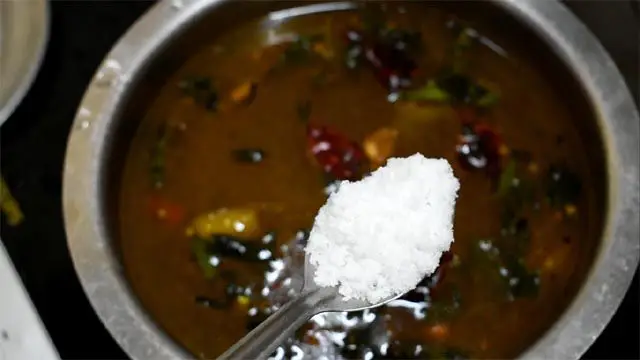
8. Add rasam powder, sprinkle coriander leaves and bring it to boil with or without the lid covered.

9. Boil Rasam Recipe for 5 minutes so that the aroma and flavour of rasam powder are extracted. Serve hot with steamed rice.
Learn how to make Rasam Recipe with Rasam Powder in this quick video!
A Story in Every Spoonful
All food has a story, and rasam’s story is personal to me. In my childhood, I grew up in a typical South Indian home, and the smell of rasam cooking on the stovetop was the background music of my life. My grandmother Patti, fondly referred to as that by us, was an expert at making the most exquisite rasam. Her own hands, calloused from a lifetime of kitchen work, would dance with practiced ease as she added spices by memory, each movement an elegant dance of culinary expertise.
Her rasam recipe wasn’t merely a dish; it was an expression of love. A small bowl of piping hot rasam was her antidote to a cold, a bad mood, or a broken heart. She was convinced that the heat of spices and the pungency of tamarind could heal not only the body but also the soul. She used to say that the magic ingredient wasn’t the tamarind or the tomatoes, but the love with which it was cooked.
I recall one rainy monsoon season when I was severely ill. I had lost my appetite, and nothing tasted right. Patti, with unshakeable spirit, prepared a plain, but powerful rasam. The aroma of cumin, garlic, and pepper from the bowl wafted the soothing smell, and merely breathing in the steam had me feeling slightly better.
The very first spoonful felt like a shot of warmth, and with every succeeding spoonful, I began to feel my energy coming back. It was then that I really realized the potency of this humble soup. It wasn’t a dish; it was a bridge to my heritage, a bond to the women who preceded me, and proof of the healing potential of food. This is why I am so excited to share this rasam recipe using rasam powder. It’s not about the steps; it’s about the sensation it creates, the memories it carries, and the comfort it brings.
Ingredients for a Perfect Rasam Recipe
The key to an absolutely wonderful dish is very often the quality and functionality of its ingredients. Every single item in this rasam recipe using rasam powder has a critical role to play, not only adding flavor, but also aroma, texture, and balance. This is how every ingredient matters:
Oil: The base of our tadka (tempering). It causes the spices to bloom, letting loose their aromatic oils and creating a rich flavor foundation upon which the whole dish is based.
Mustard Seeds & Cumin Seeds: The flavor power couple of the tempering process. Mustard seeds create a pungent, nutty zing when they splutter, while cumin seeds contribute a earthy, warm fragrance that is the essence of Indian food.
Garlic Cloves: An absolute necessity for a hearty rasam. Garlic adds an intense, savory richness that rounds out the overall flavor. Lightly crushed and pan-fried, it gives off a soothing scent that primes the palate for the other ingredients.
Onion: Sautéing chopped onion with some sweetness and depth of savory, making a more balanced and more complex flavor.
Green Chillies: These tiny dynamos add the required heat. You can vary the quantity of chillies to decide the spice level, adding a fresh, pungent kick that pairs well with the other spices.
Curry Leaves: Fragrant and distinctive, curry leaves add a distinct citrusy, nutty flavor. They are a hallmark of South Indian cuisine and a must-have for that authentic flavor.
Tomatoes: The origin of our lovely color and much of the tang. Tomatoes cooked until they break down form a silky, slightly sweet foundation that compliments the tamarind’s acidity beautifully.
Mint Leaves: Fresh and surprising, mint leaves bring a cooling, refreshing flavor that rounds out the rasam recipe, cutting through richness and providing a depth of complexity.
Turmeric Powder: It does more than just color, as turmeric adds a light earthiness to food and is also anti-inflammatory. A stunning golden color is added by it to the rasam.
Dry Red Chillies: They provide a unique type of heat and a smoky taste in comparison to green chillies, adding depth to the spice level.
Tamarind: The soul and the heart of rasam’s tartness. Tamarind offers a piercing, fruity pungency that’s central to the identity of the dish. It’s what makes rasam pucker with signature style.
Water: The glue that holds it all together. The quantity of water will have you decide on the consistency of your rasam—whether a watery, light soup or a more solid, brothy thicker consistency.
Salt: The ultimate enhancer of flavor. Salt balances out the sour, hot, and sweet flavors so that all the other flavors taste their best.
Rasam Powder: The magic bullet. Pre-packaged mix of spices—usually including roasted coriander, cumin, and black pepper—is what provides rasam with its rich, complex, comforting taste. Saves time without compromising on taste.
Coriander Leaves: A light, herbal finish. Chopped coriander leaves are added towards the end to give a bright, fresh flavor that elevates the entire dish.
Recipe Variations
Although this rasam recipe using rasam powder is traditional, one of the best things about rasam is its versatility. You can readily modify the ingredients to accommodate different diets or simply to mix things up.
Vegan Style: The recipe is Vegan in nature and therefore a very suitable choice for vegans. It’s absolutely devoid of all animal products, strictly depending on vegetables and spices for flavor.
Gluten-Free Style: Similarly, the gluten-free nature of this rasam follows naturally from the fact that all the ingredients used are gluten-free by nature.
Tomato-Free: If tomatoes are not your choice or if you cannot take them, you may double the amount of tamarind pulp to keep the tang. You may also add a grated carrot, finely grated, to introduce a slight sweetness and substance.
Lentil Rasam (Paruppu Rasam): If you would like a more filling, more substantial rasam, you can mix in a quarter cup of cooked toor dal (split pigeon peas) into the mix. This will make it much thicker and more hearty, ideal to serve as a meal.
Pineapple Rasam: For a sweet and sour variation, add a few pieces of fresh or canned pineapple. The inherent sweetness of the pineapple pairs well with spices, and the tropical flavor profile is developed.
Pepper Rasam (Milagu Rasam): For a rasam recipe with more kick, increase the amount of black pepper in your rasam powder or add a bit more freshly ground pepper at the end. This is a great variation for when you’re feeling under the weather.
Recipe Notes
Tamarind: If you are using dried tamarind, it is advisable to soak a small handful in half a cup of warm water for 15-20 minutes. Then press the pulp to get the sour juice. Strain it free of seeds or fibers. This yields a smooth, clean tamarind paste.
Garlic: For maximum flavor, use fresh garlic cloves. Crushing them with the back of a knife before adding them to the oil will release their pungent oils more effectively.
Fresh Ingredients: Whenever possible, use fresh tomatoes, green chillies, and coriander leaves. The vibrant flavors of fresh produce will make a significant difference in the final taste of your rasam recipe.
Rasam Powder: The difference your rasam powder makes is huge. Sure, store-bought powders are easy to use, but a homemade one will yield a far better and more customized flavor.
Storing Rasam for Later
One of the wonderful things about this rasam recipe using rasam powder is that it can be stored.
Refrigeration: Once cooled to room temperature, store the stew in an airtight container in the refrigerator. It will be good for 3-4 days. The flavors do develop and mature over time, and it tends to taste even better the following day.
Freezing: Freeze rasam for longer storage. Fill a freezer-safe container or a Ziploc bag with the cooled rasam, leaving some space at the top for expansion. It will keep for 3 months. To serve, thaw it in the refrigerator overnight and then gently heat on the stovetop.
Complements & Pairings
Rasam is a very versatile dish that goes well with just about anything.
With Rice: The most classic and popular combination is served with hot steamed rice. The rasam gets absorbed into the rice, making it a comforting and savory meal. A spoonful of ghee on the rice is a great addition.
As a Soup: A cup of hot rasam recipe can be relished by itself. It’s a thin, light, and very fulfilling soup, ideal for a chilly night.
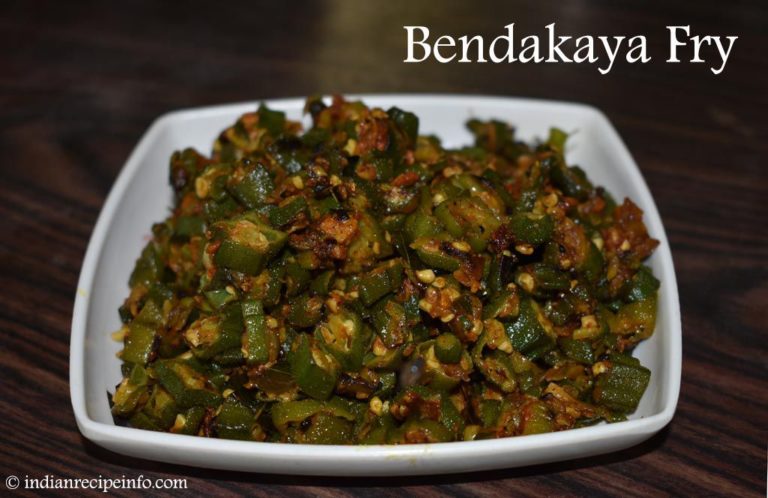
Side Dishes: Rasam is usually served with plain rice along with a simple stir-fry or a vegetable curry. A potato fry, carrot-and-peas stir-fry, or roasted okra all make good options.
Drinks: A glass of buttermilk or a cool jaljeera (lemonade flavored with cumin) can beautifully balance the hot, spicy flavor of the rasam.
Other Recipes: Rasam Recipe is a must-have in a South Indian thali (a platter of diverse dishes). It’s usually served along with sambar Recipe(a lentil and vegetable stew), different poriyals (dry vegetable preparations), and curd rice.
FAQ Section
Q: How is sambar different from rasam?
A: Sambar is a richer, more filling lentil and vegetable stew, whereas rasam is a thinner, more liquid soup. Both share a common base of tamarind and spices, but sambar is generally much thicker and is normally the main curry course in a meal.
Q: Do I have to use fresh tamarind pulp, or can I substitute tamarind paste?
A: You can, yes. Just be aware that store-bought tamarind paste is often much stronger. Use a small amount (around 1-2 teaspoons) and adjust as needed.
Q: What if I don’t have rasam powder?
A: You can prepare your own rasam powder by roasting and grinding whole spices such as coriander seeds, cumin seeds, black peppercorns, and a few dry red chilies. But for this particular rasam recipe using rasam powder, it’s better to use the powder for the desired flavor.
Q: How will I know when the rasam is ready?
A: The key indicator is the soft simmer and the foam that forms on the surface. When you notice this, switch off the heat right away to maintain the fragile flavors.
Nutritional Information
This rasam recipe with rasam powder is not only tasty but also full of nutrients and extremely healthy. It’s naturally low in fat and calories, so it’s an excellent addition to any diet. The ingredients are full of vitamins, minerals, and antioxidants.
- Tamarind: Source of B vitamins and magnesium.
- Tomatoes: High in Vitamin C and lycopene, a potent antioxidant.
- Garlic: Famous for its immunological powers and therapeutic value.
- Turmeric: Has curcumin, a chemical with strong anti-inflammatory properties.
Serving Suggestions
Offer this colorful rasam in a small cup as a light soup or over a generous helping of steamed rice. To complete an authentic meal, accompany with a plate of crispy papadum or a basic vegetable sauté. It’s also a great prelude to a multi-course meal, serving as a palate cleanser to the main dishes.
Special Spices and Their Importance
The beauty of rasam recipe is in its interesting mix of spices. Although the use of rasam powder makes the process easier, it’s interesting to know the function of these individual spices.
Black Peppercorns: The “king of spices,” black pepper contributes a pungent heat and a characteristic flavor. Ayurveda holds it in high esteem for its digestive action and its decongestant property.
Coriander Seeds: These impart a citrus, nutty, and mildly sweet undertone that harmonizes the other spices.
Cumin Seeds: Earthy, warm, and slightly bitter, cumin gives the rasam a rich, savory base. It also helps digest.
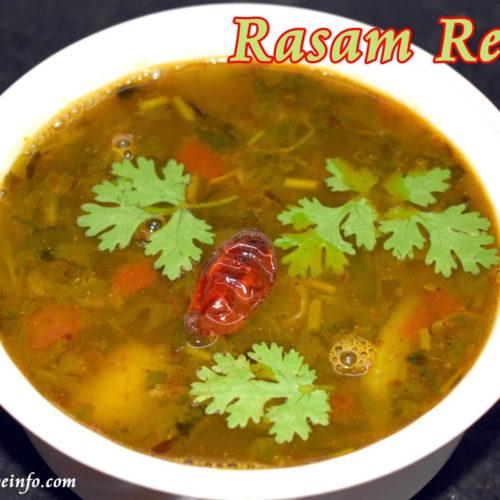
Rasam Recipe with Rasam Powder
Rasam Recipe with Rasam Powder is one of the easy and simplest forms. Learn how to make rasam recipe with step by step image instructions along with tips and video.
Ingredients
- Oil – 3 tbsp.
- Mustard seeds – ½ tbsp.
- Cumin seeds – ½ tbsp.
- Garlic cloves – 10 No.
- Onion – 1 small size
- Green chillies – 4 No.
- Curry leaves – 2 tbsp.
- Tomatoes – 1 cup
- Mint leaves – 2 tbsp.
- Turmeric powder – ½ tbsp.
- Dry red chillies – 2 No.
- Tamarind – fist full
- Water – required qty.
- Salt – 1 tbsp.
- Rasam powder – 2 tbsp.
- Coriander leaves – 2 tbsp.
Instructions
- Making rasam recipe with the help of Rasam Masala powder is very easy and can be made in a jiffy.
- Let’s come to the recipe, put oil in a pan and heat it.
- Add mustard seeds, garlic cloves and cumin seeds, once mustard seeds start spluttering add green chillies, onions, curry leaves and green chillies.
- Saute for a while, add tomatoes, turmeric powder, dry red chillies, mint leaves and mix well.
- Put a lid over the vessel and cook till tomatoes turn soft on low flame.
- Meanwhile, prepare tamarind juice by soaking it in water.
- Squeeze and filter juice with your hands by pouring directly into tomato mixture.
- Based on the quantity of rasam we would like to make, add water and adjust tamarind juice.
- Tamarind not only gives sourness but give a touch of sweetness to this recipe.
Add salt, rasam powder, coriander leaves and boil for 5-10 minutes till the flavour of rasam masala is released in our recipe.
Serve this easy rasam recipe with steam rice or have it as a soup.
Recipe Video
Recipe Notes
- We are adding tomatoes and tamarind to this recipe so adjust sourness as per your taste.
- Ripe tomatoes taste good for this recipe.
- Based on the water you add to this recipe, we need to adjust spiciness and add salt.
- Although this recipe resembles tomato rasam this is light and has the fragrance of rasam masala powder.
- When serving this recipe to a toddler adjust the spiciness by lowering chillies as we have added both dry and fresh green chillies.


3 Comments