Authentic Senagalu Talimpu (Andhra Style Tempered Black Chickpeas)
Senagalu Talimpu—also known as Senagalu Guggillu in Andhra Pradesh and Telangana, or Kala Chana Sundal in Tamil Nadu—is a traditional South Indian preparation of tender, pressure-cooked brown chickpeas tossed in an aromatic tempering of mustard seeds, lentils, curry leaves, ginger, and fresh grated coconut. It is naturally vegan, packed with plant protein, and takes just 15 minutes of active cooking once the chickpeas are boiled.

Whether you are preparing it as an auspicious prasadam (naivedyam) for Vinayaka Chavithi and Navratri or packing it as a wholesome evening snack with tea, the secret to a great Senagalu Talimpu lies in two things: boiling the chickpeas with salt so they are seasoned to the core, and maintaining just enough moisture so the tempering clings to the beans instead of falling to the bottom of the pan.
What Makes This Recipe Work
- Seasoned from the Inside Out: Cooking the soaked chickpeas in salted water ensures every bite is flavorful, avoiding the common issue of salty skins with bland interiors.
- Balanced Popu (Tempering) Texture: Frying urad dal and chana dal over gentle medium heat creates a nutty, crunchy contrast against the soft, buttery chickpeas.
- Naturally Versatile: This authentic home-style recipe contains no onion and no garlic, making it fully festival-compliant (satvik) while remaining hearty enough for daily meal prep.
Ingredients You Will Need
For Cooking the Chickpeas
- Brown Chickpeas (Kala Chana / Senagalu): 1 cup (approx. 200 g), dry
- Water: 3 cups (for pressure cooking)
- Salt: 1 tsp (adjust to taste)
For the Talimpu (Tempering / Popu)
- Cooking Oil: 1 tbsp (peanut oil or sesame/gingelly oil works best)
- Mustard Seeds (Avalu): ½ tsp
- Cumin Seeds (Jeelakarra): ½ tsp
- Urad Dal (Split Black Gram / Minapappu): 1 tsp
- Chana Dal (Bengal Gram / Senagapappu): 1 tsp
- Dry Red Chillies: 2, broken in half
- Green Chillies: 2, finely slit or chopped
- Fresh Ginger: 1 tsp, finely minced or grated
- Curry Leaves (Karivepaku): 1 sprig (10–12 leaves), fresh
- Asafoetida (Hing / Inguva): ¼ tsp
- Turmeric Powder (Pasupu): ¼ tsp
For the Finish
- Fresh Coconut: 3 tbsp, freshly grated
- Fresh Coriander: 2 tbsp, finely chopped
- Lemon Juice: 1 tsp (optional, for a subtle tangy finish)
Ingredient Notes & Practical Substitutions
- Chickpeas (Senagalu): Use dry desi brown chickpeas (Kala Chana). They hold their shape much better during tempering than white garbanzo beans (Kabuli Chana). If using white chickpeas, reduce pressure cooking time by 2 whistles to prevent them from bursting into a mash.
- Oil Choice: Peanut oil gives the authentic Andhra home flavor. Coconut oil or cold-pressed sesame oil adds a distinct South Indian coastal aroma. Neutral vegetable oil works fine if that is what you have on hand.
- Asafoetida (Hing): Essential for both digestion and the signature festive aroma, especially in no-onion, no-garlic cooking. Ensure your hing is gluten-free if catering to dietary restrictions.
- Fresh Coconut: Use freshly grated coconut rather than desiccated coconut. Fresh coconut contributes natural moisture and mild sweetness that balances the sharp heat of ginger and green chillies.
Step-by-Step Cooking Instructions
Step 1: Soak and Pressure Cook the Chickpeas
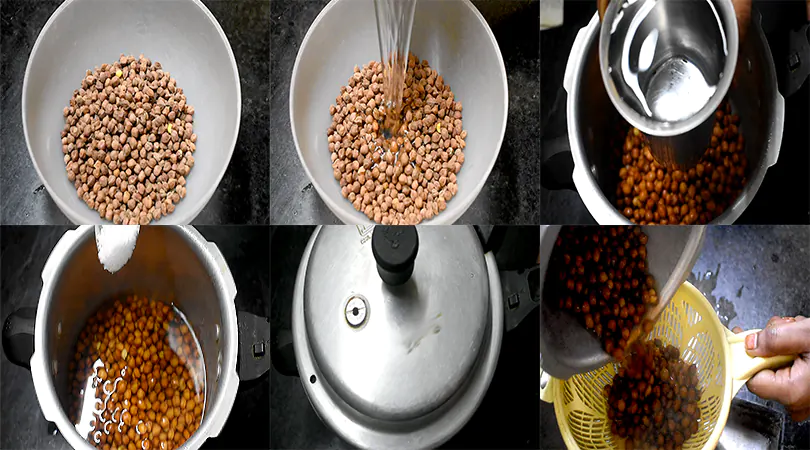
Rinse the brown chickpeas (senagalu) thoroughly and place them in a deep bowl. Add enough water to submerge them completely, cover with a lid, and let them soak overnight (or for 8 hours) so they double in size.
Drain the soaked water and transfer the plumped chickpeas into a pressure cooker. Pour in 1 glass of fresh water (around 250–300 ml) and add 1 tablespoon of salt. Secure the lid with the weight valve and pressure cook over medium heat for 5 to 6 whistles.
Doneness Check: Turn off the flame and allow the steam to escape naturally. Drain the cooking stock through a colander. Take one chickpea and press it firmly between your two fingers; if it yields easily and mashes smooth without a hard, chalky white center, the senagalu are perfectly cooked. Set them aside.
Step 2: Prepare the Aromatic Talimpu (Popu)
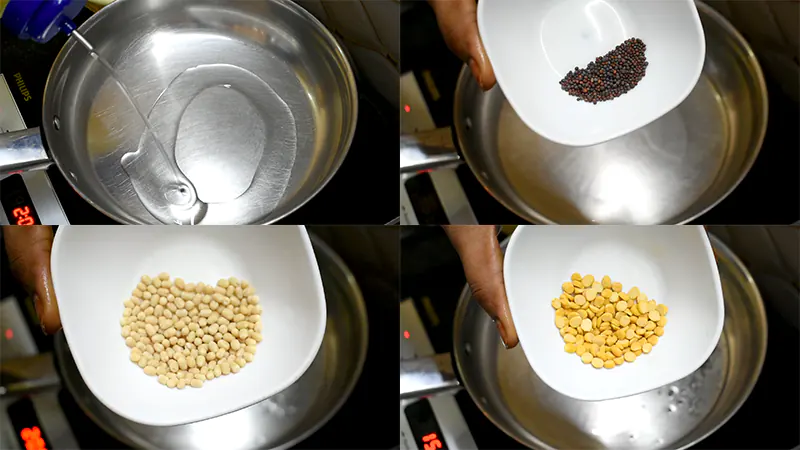
Heat 1 tablespoon of cooking oil in a wide, heavy-bottomed pan or kadai over medium heat, tilting the pan slightly so the oil spreads evenly across the surface.
Add mustard seeds (avalu) first. As soon as they crackle, add moong dal (pesara pappu) and chana dal (senaga pappu). Sauté over medium-low heat for 30 to 45 seconds until the lentils turn a uniform golden-brown and release a nutty fragrance.
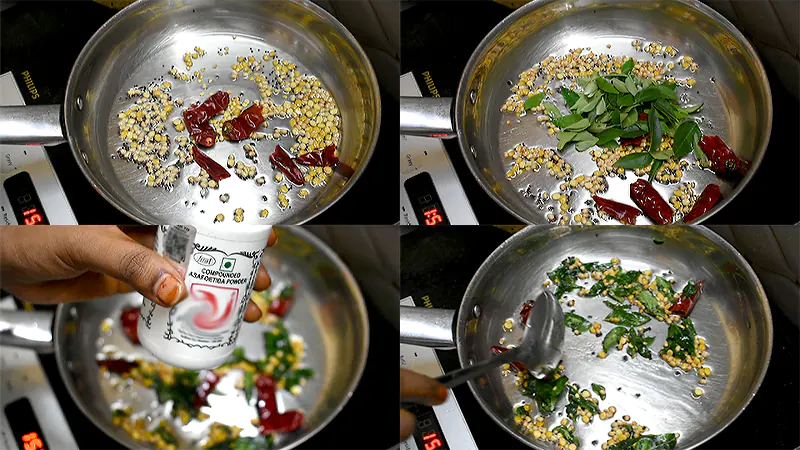
Add broken dry red chillies, fresh curry leaves (karivepaku), and a pinch of asafoetida (hing / inguva). Stir well for 20 to 30 seconds until the chillies turn aromatic and crisp without scorching.
Step 3: Toss, Roast, and Serve
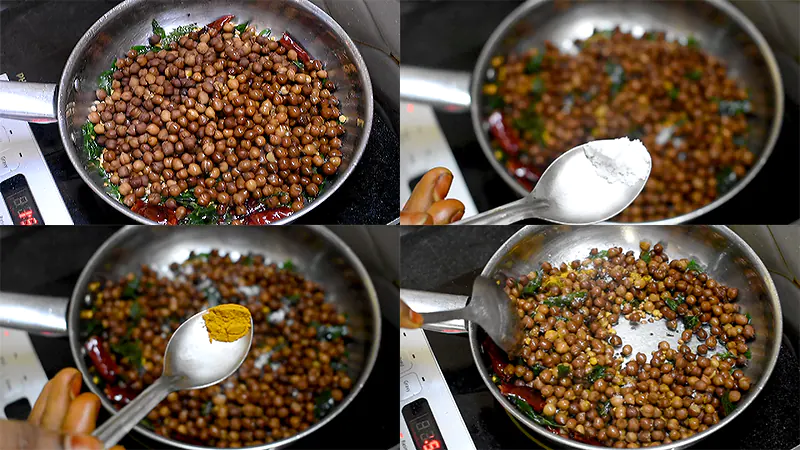
Tumble the drained, cooked chickpeas into the sizzling pan with the tempering. Sprinkle in ¼ tsp turmeric powder (pasupu) and an additional ½ tbsp salt (taste first to adjust, as salt was added while boiling).
Mix thoroughly using a wide spatula so the golden spices, lentils, and seasoned oil coat every chickpea evenly. Roast over medium heat for 1 to 2 minutes, stirring continuously to evaporate any residual moisture on the skins.
Turn off the heat and serve your hot, flavorful Kommu Senagalu Talimpu (also cherished as festive Senaga Guggillu) immediately as an auspicious naivedyam offering or as an energizing, high-protein evening snack.
Prefer a visual walkthrough? Watch our step-by-step Senagalu Talimpu (Andhra Style Tempered Black Chickpeas) video on YouTube or play it directly below:
Pro Tips for the Best Results
- Never Skip the Boiling Salt: Dense legumes like brown chickpeas will not absorb salt after draining. Salting the pressure cooker water is the only reliable way to season the inner core.
- Fry the Lentils on Low-Medium Heat: If the oil is smoking hot, your mustard seeds will turn bitter and your chana dal will burn before cooking through. A steady medium-low flame yields crunchy lentils that stay crisp.
- Add Coconut Off the Flame: Never sauté fresh coconut over high heat in this recipe. Leaving the coconut raw and warming it gently with residual pan heat preserves its natural moisture and sweetness.
- Keep Residual Steam Working: If packing this for a lunchbox, let the dish cool to room temperature uncovered for 10 minutes so moisture does not condense inside the container and turn the tempering soggy.
Common Mistakes & Easy Troubleshooting
Why are my chickpeas hard even after pressure cooking?
Old, dry chickpeas take significantly longer to cook. If your chickpeas feel firm or chalky after 6 whistles, add ½ cup of warm water, close the lid, and cook for another 2 to 3 whistles over medium flame. Ensure you never add acidic ingredients like lemon juice or tomatoes before the chickpeas are boiled, as acid inhibits softening.
Why is the dish dry and unpalatable?
If you drain every drop of liquid and sauté the beans over high heat, the outer skins will shrink and turn rubbery. Always add the 2 reserved tablespoons of chickpea broth back into the pan; as it simmers off, it creates a light, flavorful glaze that binds the tempering spices to the beans.
How do I correct an overly salty batch?
If you accidentally over-salted the chickpeas during boiling, drain the liquid, rinse the warm beans quickly with fresh boiling water, drain thoroughly, and proceed with the unsalted tempering. Increasing the freshly grated coconut from 3 tablespoons to 4 or 5 tablespoons also balances the palate naturally.
Flavor Variations
- Onion & Garlic Version (Everyday Snack): For non-festival days, finely chop 1 small red onion and 2 cloves of garlic. Sauté them right after the curry leaves until translucent, then add the boiled chickpeas.
- Spicy Podi Style: Add 1 tablespoon of Kandi Podi (Andhra spiced lentil powder) or freshly pounded cumin-pepper powder along with the turmeric for a spicier, robust snack.
- Raw Mango Guggillu: During summer, replace the lemon juice with 2 tablespoons of finely grated raw green mango (Kobbari-Mamidikaya) tossed in at the very end alongside the fresh coconut.
How to Serve
- As a Festive Prasadam: Serve warm in small traditional bowls during Vinayaka Chavithi, Varalakshmi Vratham, or Navratri alongside sweet dishes like Rava Kesari or Paramannam.
- As a High-Protein Snack: Pair with a hot cup of South Indian filter coffee or masala chai for an energizing evening tea-time snack.
- As a Lunchbox Meal: Pack alongside fresh cucumber slices, pomegranate seeds, or curd rice for a balanced, protein-rich work or school meal.

Storage & Reheating Instructions
- Room Temperature: Best enjoyed fresh within 4 to 6 hours of cooking due to the presence of fresh grated coconut.
- Refrigeration: Store cooled leftovers in a clean, airtight container in the refrigerator for up to 2 days.
- Reheating: Sprinkle 1 teaspoon of water over the refrigerated chickpeas and warm them in a covered pan over low heat for 2 to 3 minutes, or microwave for 45 to 60 seconds on medium power. Avoid high-heat reheating, which hardens the chickpea skins.
Frequently Asked Questions
Can I make Senagalu Talimpu with canned brown chickpeas?
Yes. If using canned chickpeas, rinse them thoroughly under cold water to remove the canning brine. Since canned chickpeas are already salted and fully cooked, skip the pressure-cooking step entirely and add them directly into the prepared tempering, warming through for 3 to 4 minutes.
What is the difference between Senagalu Talimpu and Kala Chana Sundal?
They are regionally distinct names for the same core preparation. In Andhra Pradesh and Telangana, the dish is called Senagalu Talimpu or Guggillu (where talimpu means tempering). In Tamil Nadu, it is called Kala Chana Sundal and is an indispensable offering during the nine days of Navratri.
Can I freeze cooked Senagalu for later use?
Yes. You can boil and drain the chickpeas in bulk (without tempering or coconut), let them cool completely, and freeze them in portion-sized zip-top bags for up to 1 month. Thaw at room temperature or in warm water before tossing into fresh tempering.

Senagalu Talimpu (Andhra Style Tempered Black Chickpeas)
Authentic Andhra style Senagalu Talimpu (Senagalu Guggillu) made with tender boiled black chickpeas, aromatic tempering, and dry red chillies.
Ingredients
- 1 cup dry brown chickpeas Kala Chana / Senagalu, soaked 8 hours
- 3 cups water for boiling
- 1 tsp salt for boiling, adjust to taste
- 1 tbsp peanut oil or sesame/vegetable oil
- ½ tsp mustard seeds
- ½ tsp cumin seeds
- 1 tsp urad dal
- 1 tsp chana dal
- 2 dry red chillies halved
- 2 green chillies slit
- 1 tsp fresh ginger minced
- 1 sprig curry leaves approx. 10–12 leaves
- ¼ tsp turmeric powder
- ¼ tsp asafoetida hing
- 3 tbsp freshly grated coconut
- 2 tbsp fresh coriander leaves chopped
- 1 tsp lemon juice optional
Instructions
Soak: Rinse dry chickpeas thoroughly and soak in 3 cups of water for 8 to 10 hours or overnight.
Pressure Cook: Drain soaking water. Transfer chickpeas to a pressure cooker with 3 cups fresh water and 1 tsp salt. Pressure cook over medium flame for 5 to 6 whistles until tender. Allow pressure to drop naturally.
Drain: Drain cooked chickpeas, reserving 2 tbsp of cooking broth. Check doneness by pressing a bean between fingers—it must mash smoothly without a hard core.
Temper (Talimpu): Heat oil in a pan over medium heat. Crackle mustard seeds, then add cumin seeds, urad dal, and chana dal. Fry until dals turn golden.
Aromatics: Add red chillies, green chillies, ginger, and curry leaves. Sauté for 30 seconds. Add turmeric powder and asafoetida; stir for 5 seconds.
Combine: Add boiled chickpeas and the reserved 2 tbsp cooking broth. Sauté over medium heat for 2 to 3 minutes until warm and coated.
Finish: Turn off heat. Fold in freshly grated coconut and chopped coriander. Squeeze lemon juice if desired and serve warm. (Use this process for personal use not as prasadam)
Recipe Notes
Always salt the water while boiling chickpeas; legumes cannot absorb salt effectively after they are drained.
Add fresh coconut only after turning off the heat to preserve its natural sweetness and moisture.
Storage
Store in an airtight container in the refrigerator for up to 2 days. Reheat gently with a sprinkle of water to restore moisture.




One Comment