Vibrant Ariselu Recipe | Kajjaya Recipe | Athirasam
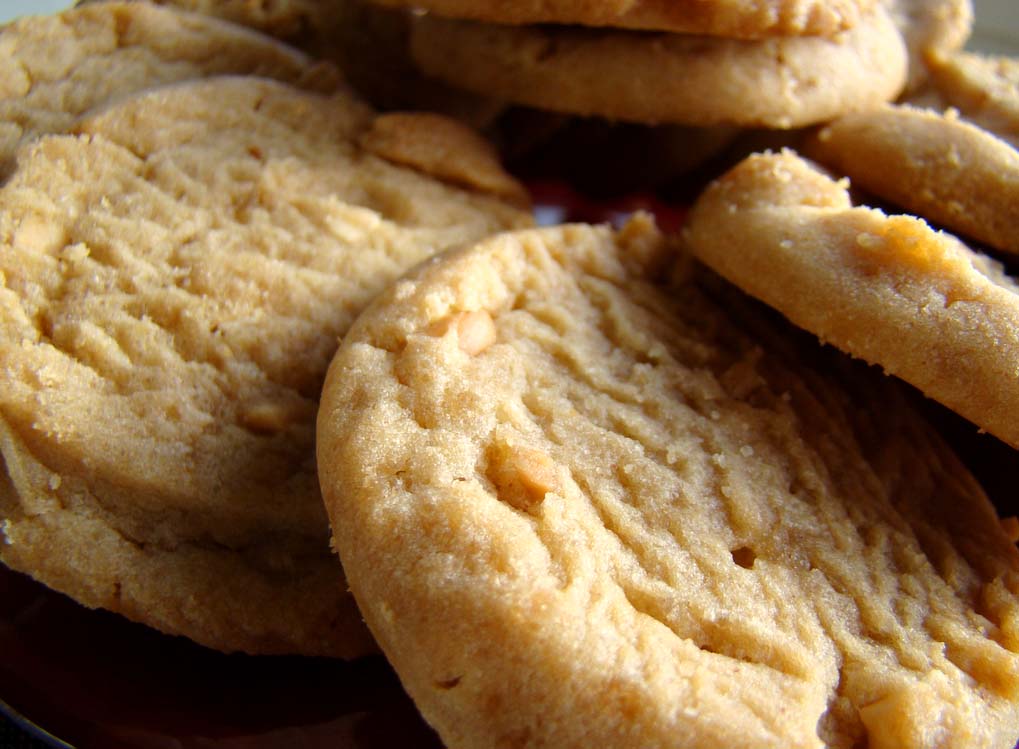
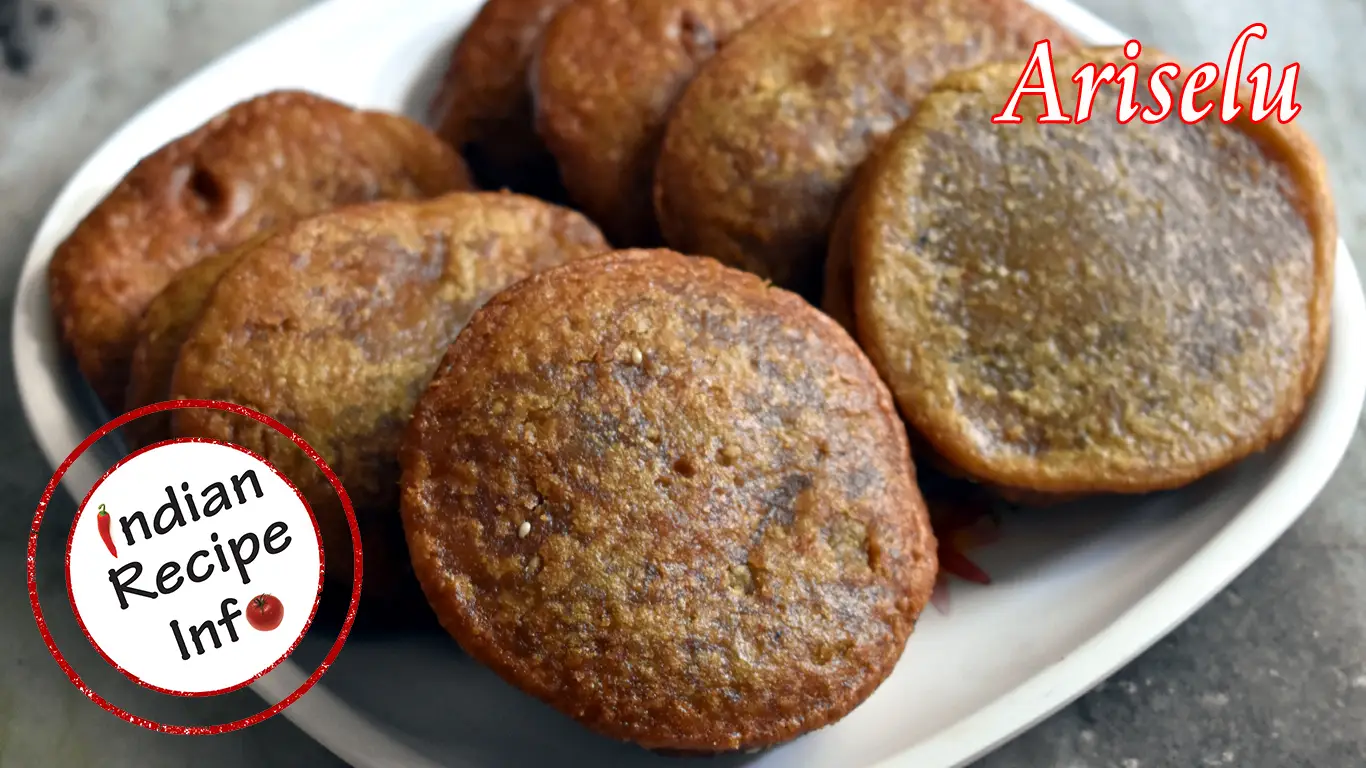
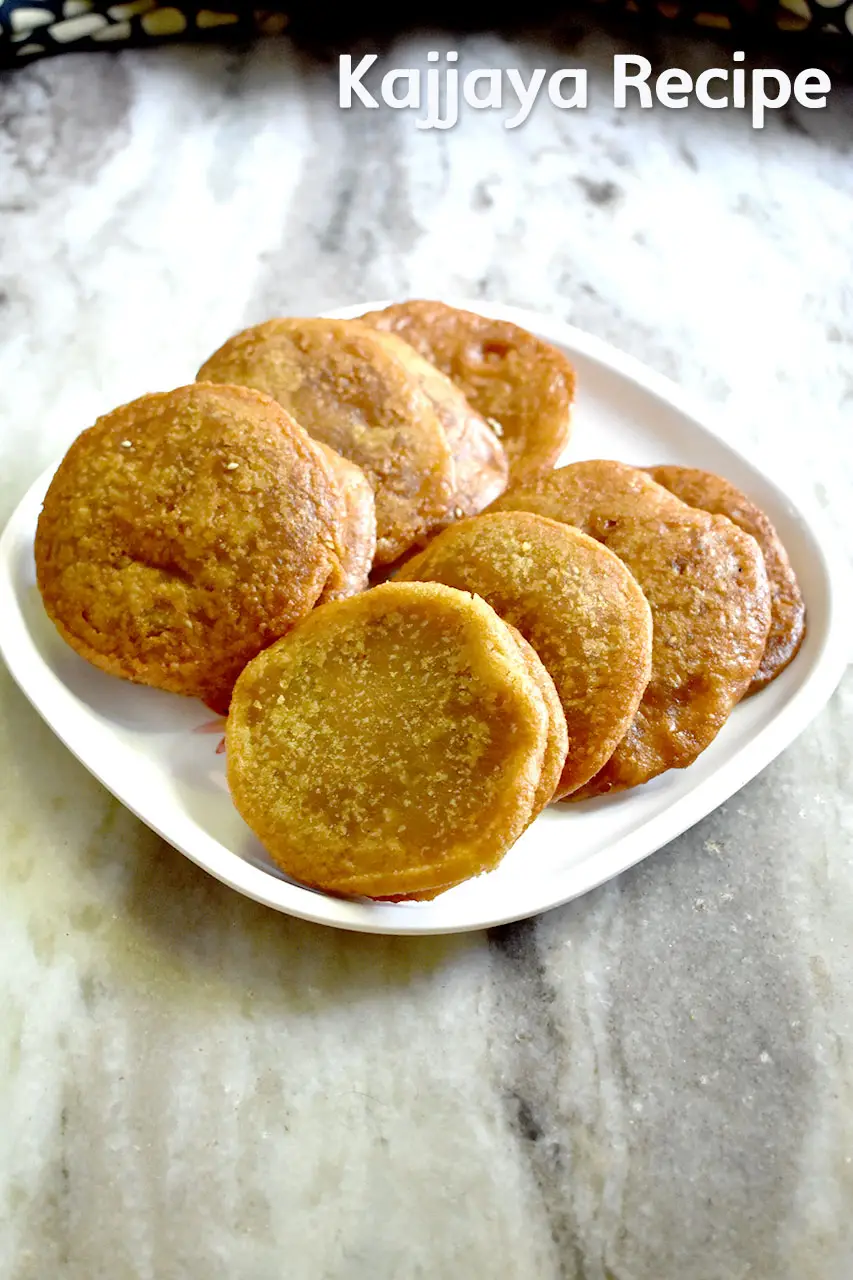
Ariselu Recipe | Kajjaya Recipe | Athirasam, this dessert is a tradition to be enjoyed during celebrations such as Sankranti, Diwali, and Dusshera. Its golden brown color and melt-in-your-mouth consistency have made it a hit with generations. Perfecting the Ariselu is an art form, one which demands patience and respect for traditional flavors. Let’s take a journey through everything you need to know about this age-old sweet.
The Essence of Ariselu: A Culinary Legacy
Ariselu, Kajjaya, and Athirasam are all given names to this beloved sweet. This sweet confection is a testament to the richness and simplicity of traditional Indian cuisine. Its two main ingredients—rice flour and jaggery—are pantry staples in every South Indian home, and their union creates a snack at once deeply gratifying and culturally significant. Preparing Ariselu is itself a ritual in many families. From grinding the rice to perfection to shaping and frying the sweets, each step is performed with care and love. The aroma of frying Ariselu fills the home with a sweet, comforting scent, signaling the arrival of a festival.
This sweet is a perfect example of how minimal ingredients can create an extraordinary dish. The key is not the intricacy of the ingredients but the careful technique of mixing them. The jaggery syrup, or paakam, needs to be perfectly consistency in order to hold the rice flour together without making the dough too stiff or too soft. A properly prepared Ariselu should be crunchy on the outside and chewy on the inside. It’s a lovely contrast of textures that creates each bite an experience to remember.
Although the fundamental Ariselu recipe is the same, regional differences introduce new twists. For example, while some add a touch of coconut, others stick to the simple version. Such nuances attest to the variety of Indian cuisine without straying from the essence of the dish. Learning to prepare Ariselu is a means of keeping this rich culinary tradition alive. It’s a tradition that has passed from mother to daughter, and grandmother to child, so that this delightful sweet remains present on our celebratory tables for generations to come.
Still craving something sweet? Look at more mouth-watering recipes here!
Milk Powder Kalakand Recipe: This is a simple and fast version of the traditional Indian milk fudge. While the regular way can take hours, this recipe employs milk powder to make the same grainy, rich, and tasty texture in a fraction of the time. It’s just the right dessert for when you’re pushed for time but still want to indulge in a rich dessert.
Gavvalu Recipe With Jaggery: Gavvalu, literally “shells,” are a special and lovely South Indian sweet snack. Small shells are fashioned from the dough using a specific tool or even a fork and then deep-fried until crispy to perfection. They are then flung about in warm, scented jaggery syrup, which covers them, imbuing them with a sweet and earthy flavor that cannot resist.
Peanut Sesame Laddu Recipe: These healthy and energizing laddus (sweet balls) are a flavor and goodness powerhouse. Prepared by grinding roasted peanuts and sesame seeds with jaggery, these laddus are a healthier option compared to many other sweets. The natural nut and seed oils hold the ingredients together, making for a tasty and healthy snack that can be had at any time of the day.
Pearl Millet Laddu: Also referred to as Sajja or Kambu Laddu, this is an old and very healthy sweet of the Indian heartland. Pearl millet flour, which is rich in fiber and iron, is blended with jaggery and ghee to make these healthy laddus. Not only are they delicious but extremely healthy too, so go ahead and indulge in them without any guilt.
Instant Jalebi Recipe: Missing the classic flavor of hot, syrupy Jalebis but unwilling to wait for the dough to ferment? This instant version is your solution. It employs leavening agents such as baking soda to produce the distinctive crispy, spiral fritters in a matter of seconds. After being fried, they are dipped into a warm, fragrant sugar syrup straight away, so that each bite is an explosion of sweet, juicy flavor.
You may also like to check other recipes:
Expert Hints for Ideal Ariselu
Preparing Ariselu is an art, and a couple of expert hints can make a big difference.
Soak the Rice Well: The rice should be soaked for a minimum of 8-12 hours. This is a must. Soaking softens the rice to the point where it can be ground into a very fine flour, which is necessary for a smooth dough and a tender final texture.
Get the Jaggery Syrup Just Right: This is the most important step. The jaggery syrup, or paakam, needs to hit the “softball stage.” To check it, drop a little of the hot syrup into a bowl of cold water. If it creates a soft, malleable ball that you can roll back and forth with your fingers, it’s ready. If it disintegrates, you must boil it a bit longer. If it becomes hard and brittle, you’ve overcooked it, and your Ariselu will be tough.
Fry in Small Batches: Overcrowding the pan will lower the oil temperature and lead to greasy, soggy Ariselu. Fry just a few pieces at a time to maintain a consistent temperature and ensure even cooking.
Use a Heavy Pan: A thick-bottomed pan or kadai helps to distribute heat evenly, preventing the Ariselu from burning. A wok is also great for frying.
Press Out the Excess Oil: Once fried, the Ariselu must be pressed to drain excess oil. It is usually done using a heavy flat-bottomed pot over the Ariselu, or with a flat wooden board. This process is important in getting the ideal crispy-on-the-outside, soft-on-the-inside texture. It also reduces them from being greasy and simple to store.
How to make Ariselu Recipe:
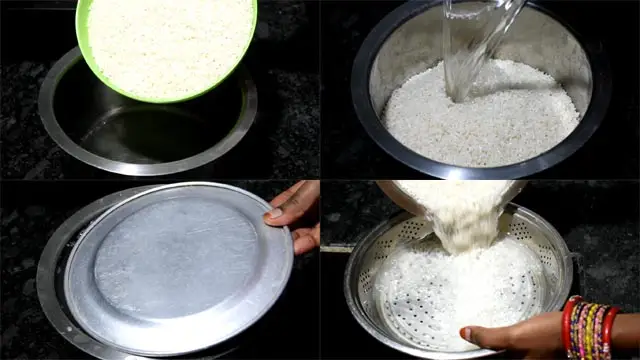
1. Add rice in a bowl and soak rice with adequate water for 24 hours and drain excess water using a colander.
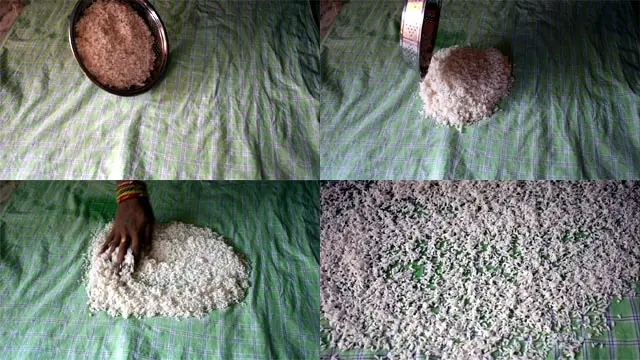
2. Put drained rice over a clean cloth and dry below the fan till moisture is evaporated.
3. Before rice turns brittle, transfer the rice to the mixer grinder and grind to a soft powder. Sieve rice flour and filter soft powder.
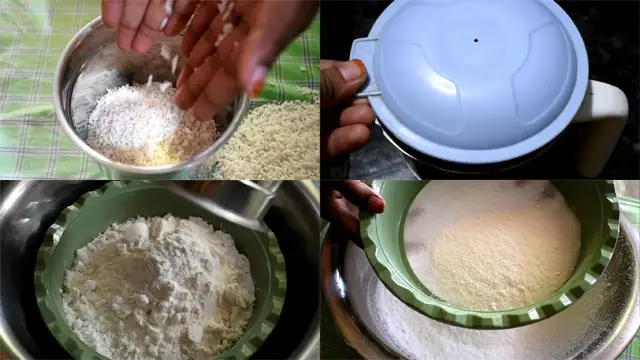
4. Before jaggery syrup and other process is completed cover the rice flour with a wet cloth so that flour doesn’t become dry. There has to be little moisture with the flour.

5. In a wide vessel add jaggery and add teacup water and make jaggery syrup. Once the jaggery melts, filter syrup using a colander.
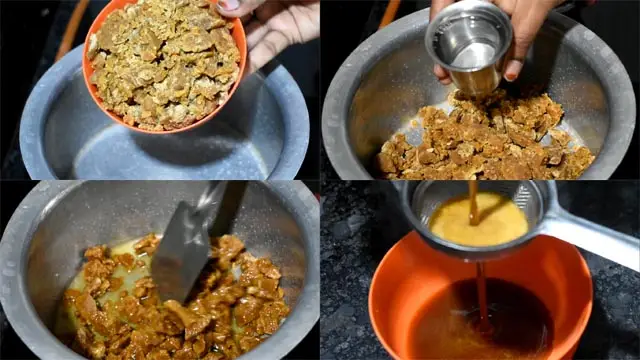
6. Remove foreign particles and reboil syrup till you get a thick consistency. Check syrup consistency by putting a drop in water.
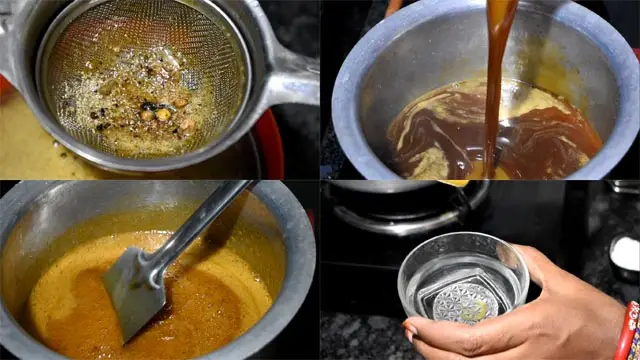
7. Making jaggery syrup plays important role in making Ariselu Recipe. Boil the syrup for a minute and again drop a few in water. If syrup thickens and forms a tender ball then syrup is ready.

8. Sprinkle cardamom powder and mix well. Cardamom powder will not only enhance flavor but also gives an aroma.
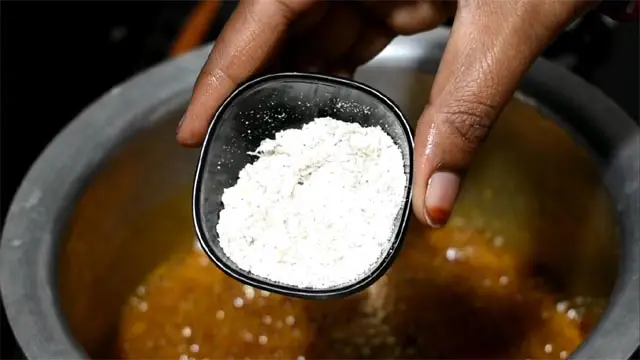
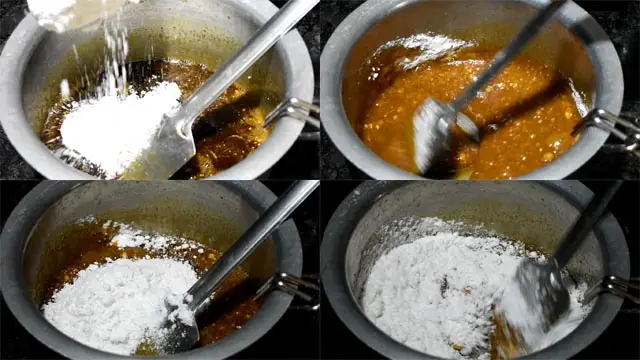
9. Add rice flour in small batches and stir continuously till you get a thick batter.
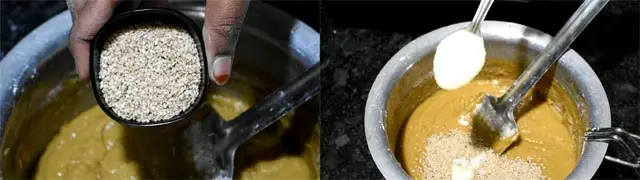
10. Put sesame seeds and little ghee and mix well till you get soft texture dough.
11. Take a small portion of batter and make a round shape in hand and then put that ball on a polythene sheet. Press gently to get disc shape and immediately put in oil to deep fry.
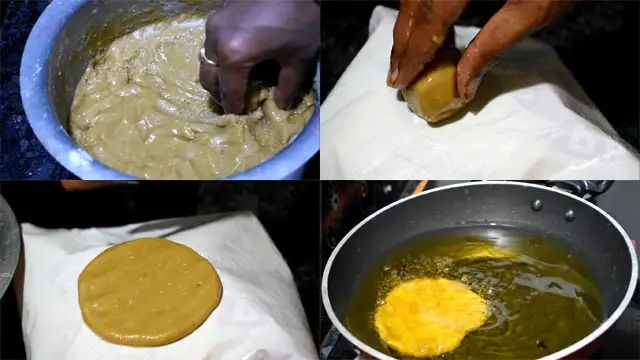
12. Deep fry at low to medium flame so that it cooks evenly and then flip to the other side. Once it turns golden brown color, using two spatulas press to remove excess oil.
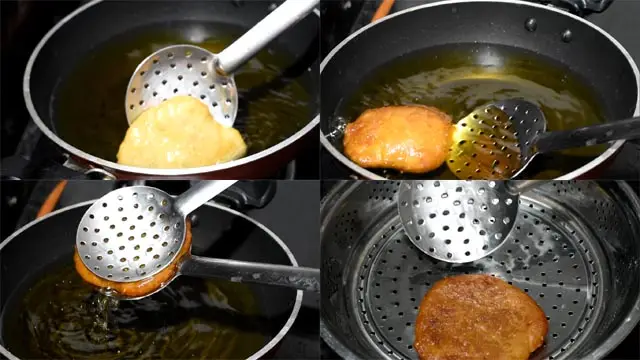
13. Continue this process of making Ariselu recipe and store it when it is cooled.
Learn how to make Ariselu Recipe in this quick video!
Why These Ingredients Matter
The wonder of Ariselu is in its minimal yet effective ingredients. Each one serves a vital function to produce the ideal texture and taste.
Rice: The rice variety that you use makes all the difference. Soaking the rice softens it, and this is crucial to grinding the rice into a smooth, fine flour. The fineness of the flour keeps the Ariselu from being grainy and gives it a melt-in-your-mouth texture. An aged rice variety of good quality is strongly suggested to achieve the best results.
Jaggery: This raw sugar is the soul of the Ariselu recipe. Its thick, caramel flavor is different from white sugar and contributes a rich, earthy sweetness. Jaggery gives the final product a stunning golden-brown color as well. The most important step is to get the jaggery syrup to the perfect consistency; it has to be firm enough to bind the dough together but not so hard that it toughens the Ariselu.
Cardamom Powder: This is an essential spice for any Indian sweet dish. Cardamom powder adds the Ariselu a sweet, warm, and slightly floral fragrance which pairs with the sweetness of jaggery beautifully. A little is enough, and it takes the flavor to a whole new level from good to excellent.
Sesame Seeds: Toasted sesame seeds impart a wonderful nutty taste and a soft crunch. They offer a textural contrast to the chewy, soft Ariselu. Not just do they uplift the flavor, but they also bestow a classic, ornate finish on the sweets, making them a feast for the eyes as well.
Ghee: Ghee frying is a must for a true Ariselu experience. Ghee adds a deliciously rich, nutty flavor that cannot be matched by any other oil. It also aids in that lovely golden-brown color and makes the Ariselu crispy on the outside with a soft, moist inside.
Recipe Variations: Adapting a Classic
The Ariselu recipe is incredibly versatile. It is easy to modify it to accommodate special diets without compromising on taste.
Vegan Ariselu: The traditional recipe is almost entirely vegan, with one key exception: ghee. To make this dish completely vegan, simply substitute the ghee for a high-quality, flavorless vegetable oil like sunflower oil or a good-quality plant-based shortening. While the flavor will be slightly different, the texture will remain close to the original.
Gluten-Free: One of the greatest advantages of the Ariselu recipe is that it is naturally gluten-free! Because it is comprised of rice flour, it is an easily safe and tasty dessert for anyone who has gluten intolerance or celiac disease. No substitutions are required here.
Nutty Ariselu: To add a richer taste and a bit of texture, you can incorporate finely chopped almonds or cashews into the rice flour dough prior to frying. This adds a delightful surprise with each bite.
Spice Variations: Although cardamom is the classic spice, you can try other spices. A pinch of ginger powder imparts a warm, spicy flavor, while a hint of nutmeg adds a delicate, earthy flavor.
Ariselu Recipe Notes
Consistency of Dough: The dough must be soft, flexible, and workable. If too sticky, add some more rice flour. If too crumbly and dry, mix in a little warm water or ghee at a time until it forms.”.
Frying Temperature: Use a medium heat for frying. The oil should not be too hot, as this will cause the Ariselu to brown too fast on the outside and inside remain raw. If too cold, they will oil more than needed.
Patience is Key: The whole operation, from flour preparation to frying, takes patience. Do not hurry any process, particularly the syrup-making and frying.
Storage and Longevity
One of the best aspects of Ariselu is that it has a very good shelf life. If stored correctly, they can last for a long time and are ideal for use during festivals and special occasions when you need to prepare food ahead of time.
Cool Completely: Before you store them, ensure that the Ariselu have cooled down completely to room temperature. Storing them with heat will cause condensation and make them soggy.
Airtight Container: Place the cooled Ariselu in an airtight container. This will prevent them from absorbing moisture and staying fresh.
Room Temperature: Storage in a cool, dry place is recommended. Do not put the container in direct sunlight or near any heat source.
Freezing: Ariselu can be frozen for long-term storage. Store them in a freezer-safe container or bag with parchment paper between each layer to avoid them sticking together. To serve, thaw them at room temperature.
Stored properly, your Ariselu would last you 2-3 weeks at room temperature and longer if stored in the freezer.
What to Serve with Ariselu
Ariselu can be relished alone as a dessert, but they can also form part of a grand festive feast.
Drinks: A steaming cup of chai or a chilled glass of milk goes hand in hand with Ariselu’s sweetness. Alternatively, have it with filter coffee for an authentic touch.
Savory Pairings: The intense sweetness of Ariselu may be offset with a savory bite. A dish of savory murukku, chekkalu, or chakli is ideal for texture and flavor contrast.
Other Sweets: As part of a festive platter, Ariselu are accompanied by other classic sweets such as boondi ladoo, gavvalu, and poornalu.
Dessert: Place a single Ariselu on a dinner plate following a meal as an easy yet enjoyable dessert.
Frequently Asked Questions (FAQ)
Q: Why is my Ariselu hard?
A: This is a frequent complaint and nearly always caused by overcooking the jaggery syrup. The syrup went into the hardball stage rather than the softball stage, and the dough became tough.
Q: Why are my Ariselu greasy and oily?
A: The most common cause is that the oil temperature was too low for frying. The Ariselu picked up excess oil rather than frying to a crisp. Try to keep a constant, medium heat.
Q: May I use store-bought rice flour?
A: Yes, you may. But for the best results, use finely ground rice flour. In case the flour from the store is coarse, your Ariselu will turn out grainy.
Q: What’s the difference between Ariselu, Athirasam, and Kajjaya?
A: These are all different names for the same sweet dish. Ariselu is the name used in Andhra Pradesh and Telangana, Athirasam is common in Tamil Nadu, and Kajjaya is the name used in Karnataka.
Q: Why did my Ariselu break apart while frying?
A: This may occur if the dough is loose or if the syrup was not cooked enough. The syrup has to be exactly right to perform as a good binder for the rice flour.
Nutritional Information (Approximate values per serving)
This is an approximate figure and may differ according to ingredients and serving size. One Ariselu is a dense, high-calorie sweet.
- Calories: ~200-250 kcal
- Fat: ~10-15 g
- Saturated Fat: ~5-8 g
- Carbohydrates: ~25-30 g
- Sugar: ~15-20 g
- Protein: ~2-3 g
- Sodium: Trace amounts
Note: The energy density is due to the jaggery, rice flour, and ghee, all of which are energy-dense foods.
Serving Suggestions
Serve Ariselu warm or at room temperature. Arrange them on a serving platter garnished with a few sesame seeds for a stunning presentation. They taste best served among friends and family during festivals, when they can be shared as a symbol of joy and unity. One piece is usually sufficient to satiate a sweet tooth, but it’s impossible to stop at just one!
The Importance of Special Spices
While Ariselu itself is straightforward in ingredients, the inclusion of a special spice such as cardamom makes it rise above a mere sweet and into a masterwork of cooking. Cardamom powder isn’t an afterthought, it’s a vital addition that gives the dish balance and depth.
Aroma: Cardamom possesses an intricate, sweet, and very fragrant odor. When it is added to the syrup made of jaggery, this aroma is passed on to the dough throughout. The instant you bite into an Ariselu, the sweet smell of cardamom envelops you, elevating the entire experience of senses.
Digestive Properties: Cardamom is recognized in Ayurveda for its properties in digestion. It’s said to digest sweet, oily, and heavy foods. Being a sweet that’s fried, Ariselu needs cardamom not only for flavor but also as a method of making the dish stomach-friendly.
Balancing Sweetness: The faint bitterness, aromatic taste of cardamom balances the cloying sweetness of the jaggery, providing a rounder, more pleasant taste. If the cardamom is omitted, the dish would be two-dimensional and too sweet.
The addition of cardamom powder in the Ariselu recipe is an ideal instance of how conventional Indian cuisine employs spices not merely for flavor, but also for their functional and healing purposes. It’s this considered and wholistic way with food that makes our gastronomic heritage so unique. The toasted sesame seeds also serve an important purpose, not only for their flavor and texture but also for their nutritional properties and the aestheticism they bring to the finished dish.
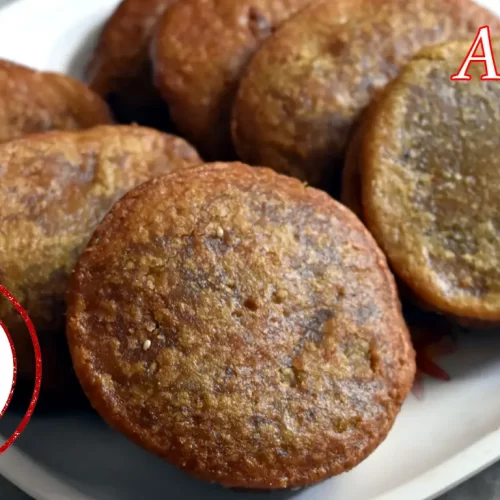
Ariselu Recipe | Kajjaya Recipe | Athirasam
Ariselu Recipe | Kajjaya Recipe | Athirasam is one of the famous sweet recipes of south India, they are prepared during Makar Sankranti.
Ingredients
- Rice – 500 gms.
- Water – to soak rice and to make jaggery syrup
- Jaggery – 350 gms.
- Cardamom powder – 1 tbsp.
- Sesame seeds – 2 tbsp.
- Ghee – 2 tbsp.
Instructions
- To make this recipe, we make use of rice flour made from soaked rice. So soak rice for 12-24 hours.
- The next day, drain water and dry rice grains under the fan and grind to powder while there is little moisture.
- Moisture in rice flour plays an important role so lock its moisture by pressing flour and covering the vessel with a wet cloth.
- Now, let’s prepare jaggery syrup. Use thick bottom vessel to make syrup, add jaggery and little water to make syrup.
- Filter foreign particles and make a thick syrup. To check the right consistency put syrup drops in water.
- When it forms tender balls, then consistency is ready. Off the flame and add cardamom powder.
- Sprinkle rice flour and stir constantly till you get a thick batter. Make sure there are no lumps.
- We can add sesame seeds either along with cardamom powder or now and little ghee to get a soft texture.
- When the batter becomes cool, take a small portion and press to make ariselu recipe.
- Deep fry at medium flame and cook till they turn a golden brown color.
- Remove from oil and drain excess oil by pressing with two spatulas.
- Store Ariselu recipe once they cool. While they are mildly hot, if you put in little weight then they come up in good shape.
Recipe Video
Recipe Notes
- Based on the No. of pieces you want to make, soak rice. Usually, for every 1 Kg. Rice flour, we can make 50 medium-sized pieces.
- It is a good idea to soak a little more rice so that we do not have a deficiency of flour if you mess up adding water during jaggery syrup.
- When rice is being dried, try to not put it under direct and hot sunlight, there might be chances of becoming brittle grains.
- Do not grind rice while there is water as it may become a thick paste, that doesn’t mean that we need to dry totally, there must be a little bit of moisture.
- The second important point in this recipe is making perfect jaggery syrup.
- When making syrup, try to put very little water which is sufficient to wet jaggery.
- If you are using branded jaggery, you might be free from foreign particles, if not filter the syrup
- To get perfect consistency check syrup by adding a few drops, if drops mix with water then it needs to boil further if not then check the consistency.
- If you can make mild/tender balls out of syrup then off the flame immediately to avoid thickening of syrup.
- When we run out of soaked rice powder, we can add a little quantity of normal rice flour.
- Deep fry ariselu recipe on low to medium flame so that they get cooked from inside.