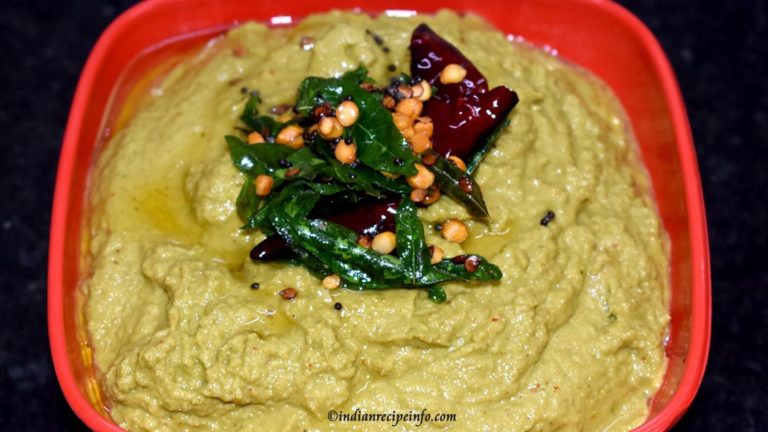
Ginger Chutney Recipe | Perfect Allam Pachadi
Ginger chutney recipe, locally called Allam Pachadi. It’s not just any chutney; it’s a harmony of sweet, spicy, and sour notes that sways on your taste buds. It’s a dish with a heart, proof of the synergy of basic ingredients and lots of love and a dash of magic.
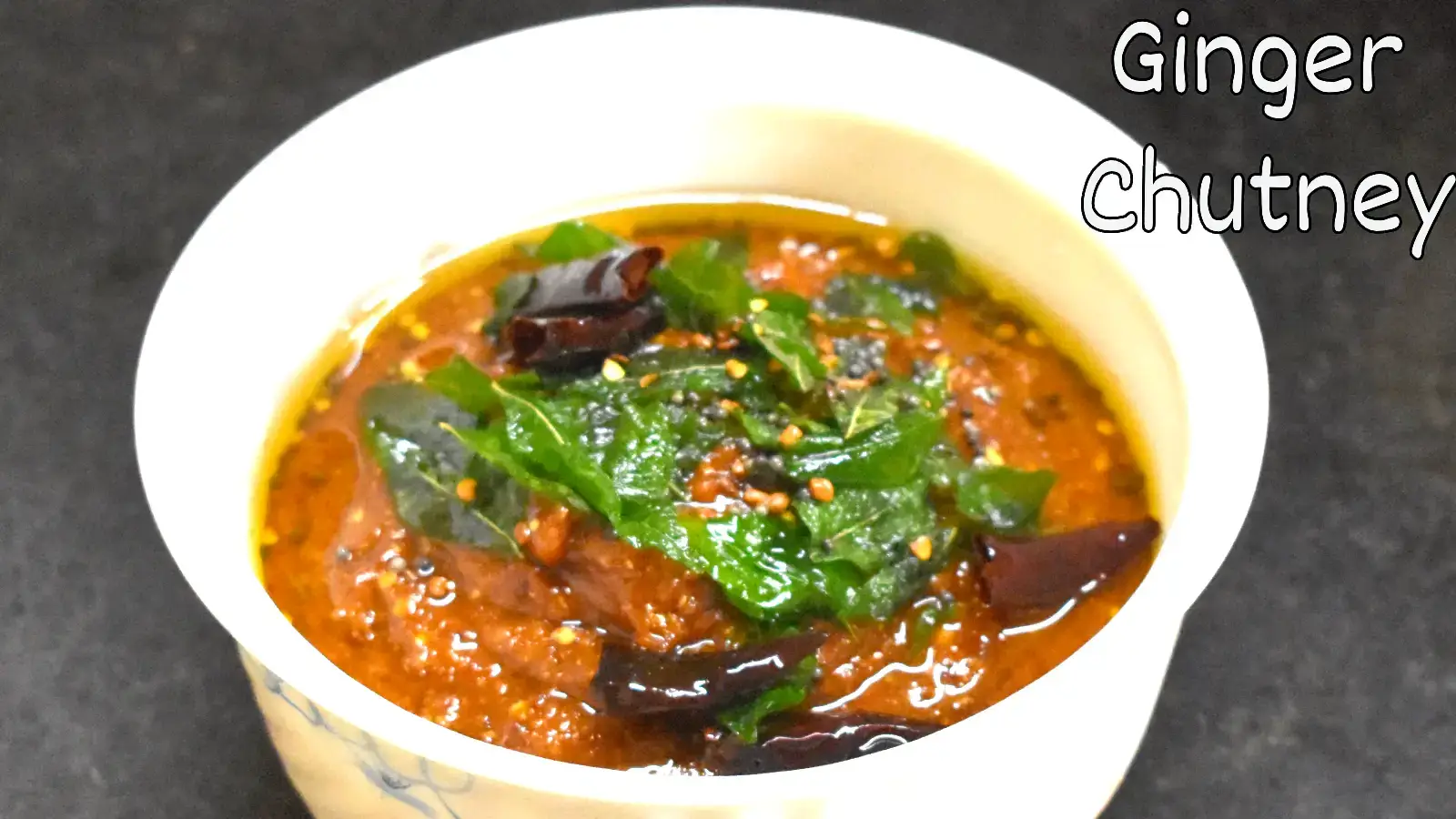
About Allam Pachadi: The Authentic Ginger Chutney Recipe
Allam Pachadi is a direct Telugu translation to “ginger chutney” (Allam for ginger and Pachadi for chutney or a relish). It’s a staple side condiment in South Indian, particularly Andhra, cuisine, where it is served with a variety of dishes as an accompaniment. To refer to it merely as a side dish would be an injustice. This ginger chutney recipe itself is a star dish, renowned for its intense, multi-faceted flavor. It’s not so much about the burn of the ginger; it’s how that burn is tempered and countered by the loamy undertones of lentils, the deep sweetness of jaggery, and the tart bite of tamarind.
This chutney isn’t a quick fix; it’s a labor of love, a recipe passed down through generations. I’ve spent countless hours in kitchens across India, watching grandmothers and professional chefs alike prepare this dish. Each one had their own subtle twist, a secret ingredient or a slight variation in technique. But the essence was the same: a commitment to making an equilibrium, full-flavored condiment that takes every dish it touches to a higher plane.
The Allam Pachadi I had in that tiny restaurant was nothing short of an epiphany. It was far more than an ordinary condiment; it was a tale conveyed by taste. It was a dish with a heritage, a function, and a very firm sense of place. My intention is to tell you that story and enable you to make your own authentic ginger chutney recipe at home. This is not a recipe; it’s an introduction to a bit of Indian cooking history that’s just incredible.
You may also like to check other recipes:
How to make Ginger Chutney Recipe:
1. Heat 4 tbsp. oil in a pan and add moong dal, chana dal and cumin seeds.
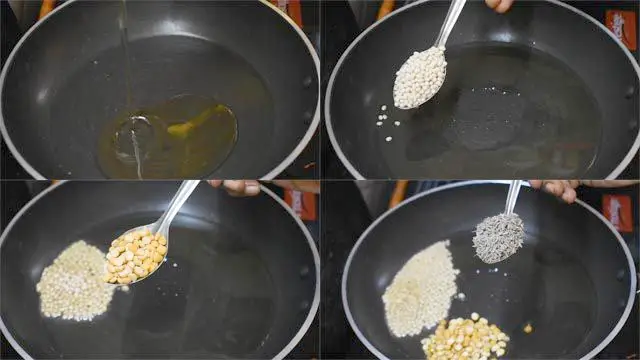
2. Add ½ tbsp. fenugreek seeds, coriander seeds, dry red chillies (change quantity based on the spiciness you eat) and finely sliced ginger pieces.
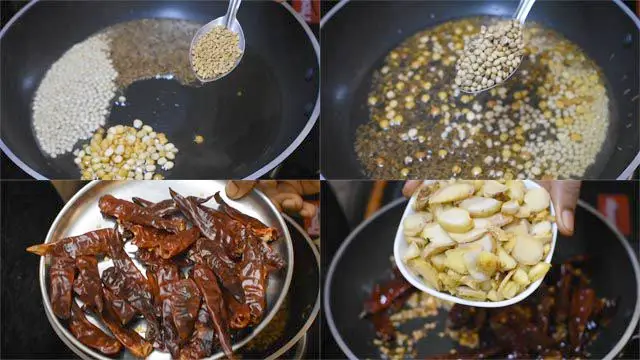
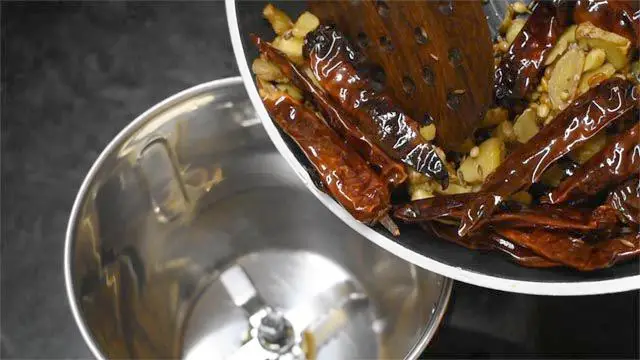
3. Off the flame once roasting is done and keep aside. When cooled transfer all the spices to a mixer grinder.
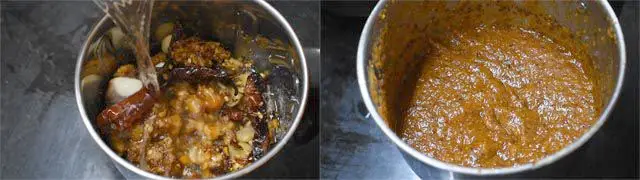
4. Add Jaggery, a thick paste of tamarind pulp, garlic cloves and salt.
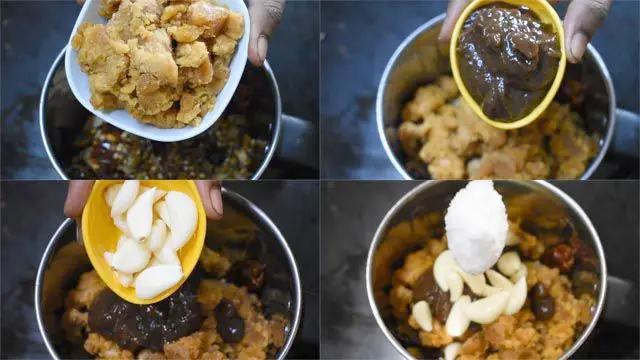
5. Grind for one round and add required water(boiled and cooled) and continue to grind till we get a soft and thick paste.
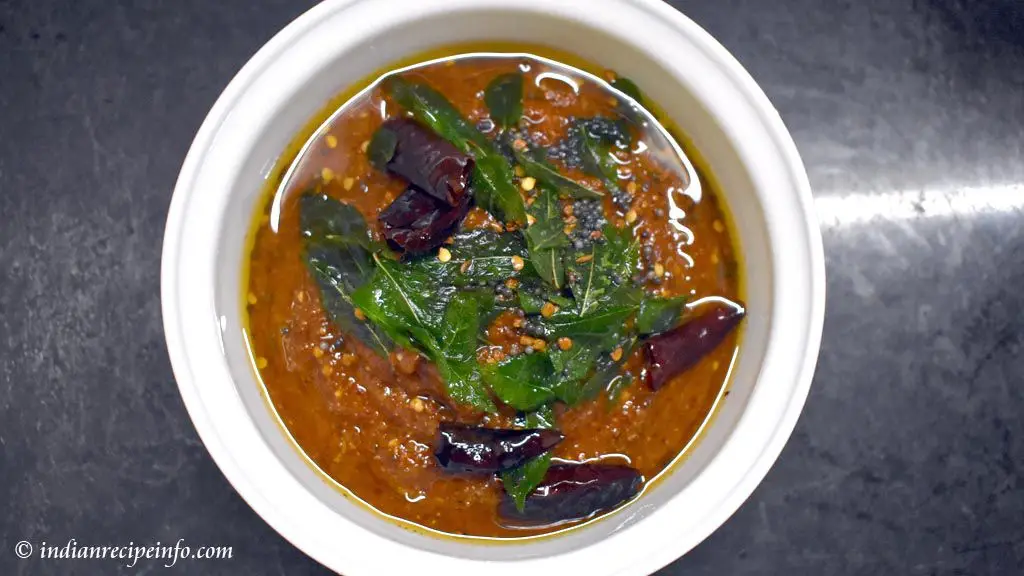
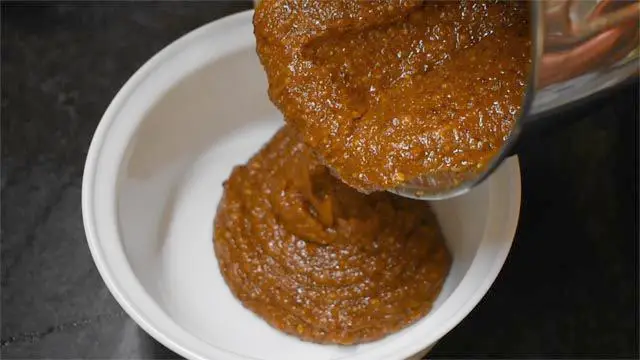
6. Transfer Allam Pachadi to a serving bowl and keep aside till we prepare the seasoning.
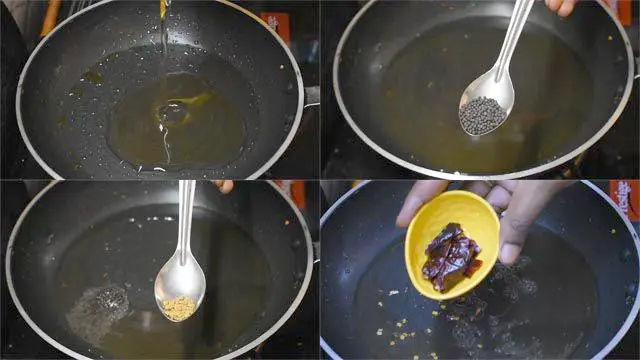
7. Add 4tbsp. Oil in the same pan and mustard seeds, ¼ tbsp. fenugreek seeds and add 2 No. Dry red chillies.
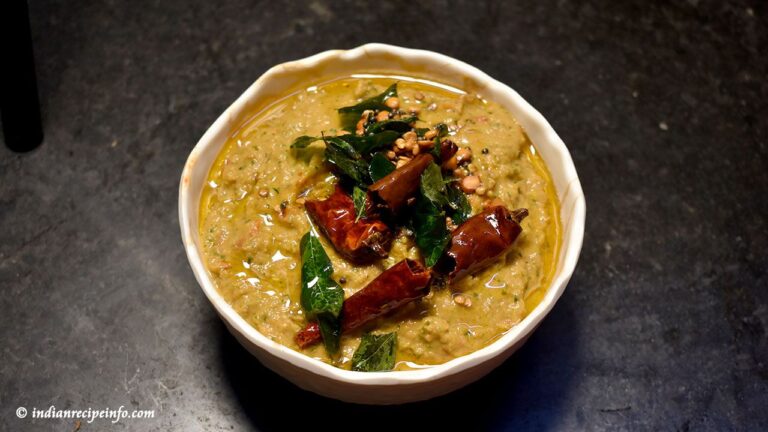
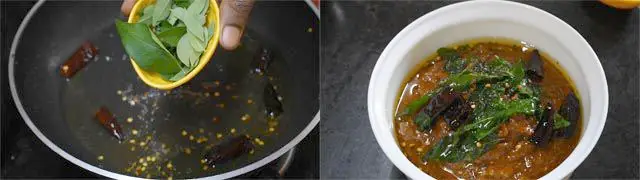
8. Put curry leaves, saute and season over ginger chutney recipe.
Learn how to make Allam Pachadi Recipe in this quick video!
Why These Ingredients Make the Perfect Ginger Chutney Recipe
A good recipe is only as great as its ingredients. In the case of this ginger chutney recipe, every element has a significant role in creating the final taste and texture. It’s like a culinary orchestra where every ingredient brings along a specific note to the symphony.
Ginger: The star of our tale! Ginger is the soul and the heart of this Allam Pachadi. It gives it a fiery, pungent kick that is at once invigorating and intensely aromatic. It’s what makes this chutney so distinctively warming and its digestif quality.
Oil: The flavor carrier and the binder that helps hold everything together. With a high-quality oil, the ingredients are sautéed nicely, releasing the aromas and flavors. It also creates the silky smooth texture of the final chutney and aids in preservation.
Moong Dal and Chana Dal: These lentils serve more than their texture. When roasted, moong dal and chana dal contribute a mild, nutty flavor and a stunning, earthy richness to the chutney, counterbalancing the robust flavors of the ginger and spices.
Cumin Seeds and Coriander Seeds: Both of these spice aromaticity spices are staples of Indian cuisine. Cumin seeds impart a warm, earthy taste, whereas coriander seeds have a citrus, slightly sweet flavor. Together, they make a deep, fragrant foundation for the chutney.
Fenugreek Seeds: A very unique ingredient. Fenugreek seeds are bitter by themselves, but when used in small amounts and roasted, they impart a distinctive, slightly bitter-sweet and nutty flavor that brings such complexity and balance to the ginger chutney recipe that it never becomes one-dimensionally sweet or hot.
Dry Red Chillies: Source of hotness. Dry red chillies are the source of hotness of the Allam Pachadi. Dried whole chillies enable you to adjust the hotness and achieve a stunning, vibrant red color.
Jaggery: The balancing act. Jaggery, a raw cane sugar, offers a rich, caramel sweetness that nicely balances the hotness of the ginger and chillies and the tartness from the tamarind. It’s a crucial component for a well-balanced flavor.
Thick Tamarind Pulp: The sour surprise. Tamarind supplies the sour element that blunts the richness and spiciness of the other ingredients. Its unmistakable sour taste is what gives this ginger chutney recipe its unexpectedly sophisticated and addictive flavor.
Garlic: The aromatic bite. Garlic contributes a pungent, savory richness that heightens all the other tastes. It’s one of the main aromatics that makes the chutney richer and more flavorful.
Salt: The flavor enhancer supreme. Salt isn’t only making the chutney salty; it cuts through and accentuates all the other tastes so that the sweetness, heat, and tartness explode.
Mustard Seeds and Curry Leaves: These are the heroes of the last tempering stage, tadka. Mustard seeds crackle and impart a pungent, nutty flavor, and curry leaves provide an unusual, faintly bitter and fragrant note that bestows the chutney with its authentic, finishing touch.
Expert Tips for the Perfect Ginger Chutney Recipe
As a chef, I think that the key to a flawless dish is not merely the ingredients, but the technique. This ginger chutney recipe is no different. Here are a few expert tips on how to get the optimal results and make an absolutely genuine Allam Pachadi.
Patience is Essential while Roasting: Don’t hurry the roasting of lentils and spices. This process is important for building the rich, earthy flavors that constitute the foundation of the chutney. Roast them on medium-low heat until golden brown and aromatic. This is called bhunao in Hindi, and it’s what separates a pro-level spice mix from an amateur one.
Balance the Flavors: The key to this ginger chutney recipe is balancing the flavors—sweet, spicy, and tangy. The jaggery, tamarind, and ginger must be in balance. Taste while you are making the chutney and feel free to adjust the amount of jaggery, tamarind, or salt to your taste.
Use Fresh Ginger: The freshness of your ginger will have a direct impact on the end taste. Use fresh, firm ginger with a smooth skin. Don’t use ginger that is soft, wilted, or has a pungent, woody smell, as it will be bitter.
Emulsify the Chutney: While mixing the chutney, a steady, slow flow of water will assist you in getting a smooth and emulsified paste. Don’t put all the water into the blender. Put a little, mix, and add more gradually until you get the consistency you desire. Properly blended chutney should be smooth, and velvety, not grainy or coarse.
The Tadka (Tempering) Power: The last tempering with curry leaves and mustard seeds is not merely for garnish. It adds a last touch of smoky, nutty fragrance to the chutney and brings all the flavors together. Ensure the oil is hot enough for the mustard seeds to splutter at once. This step is important for a traditional Allam Pachadi.
Let it Rest: Similar to a good curry, this ginger chutney recipe is even better the second day. The flavors come together and enrich themselves with time, so feel free to make it ahead of time if possible.
Tamarind Prep: To soften a tamarind block, soak it in warm water for 20-30 minutes. Squeeze out the pulp and strain to catch any seeds or fibrous material. It’s an excellent hack to use store-bought thick tamarind pulp instead.
The Special Spices and Why They Matter
Each spice used in this ginger chutney recipe serves a function that is not merely about flavor. They are selected based on their individual characteristics and how they combine to form a rich and harmonious whole.
Coriander Seeds: Beyond their zesty flavor, coriander seeds also have digestive properties and help cool the body. In a spicy dish such as this Allam Pachadi, they give a mild cooling effect that balances out the heat from the ginger and chillies.
Fenugreek Seeds: Fenugreek’s bitterness is its magic. It provides an essential depth of flavor, stopping the chutney from feeling too sweet from the jaggery or too singular from the ginger. Fenugreek is also prized in traditional Indian medicine for its digestive-aid properties.
Cumin Seeds: They add a warm earthy flavor that anchors the chutney. They have carminative effects, too, in that they relieve gas and bloating—a great addition to a dish that typically accompanies rich food.
Variations
Vegan/Gluten-Free: Being vegan and gluten-free by nature, this Allam Pachadi makes a great and inclusive addition to any diet.
Adding Onions: To give the chutney a different taste profile, you can sauté a finely chopped onion with the ginger. This will give the chutney a layer of sweetness and a smoother consistency.
Spicier Version: If you prefer spicy food, you can add more dry red chillies. Alternatively, use a hotter variety of chilli.
Nutty Twist: For extra richness and a distinct texture, you can mix a tablespoon of roasted peanuts or cashews when you grind the chutney. This makes it creamy with a nutty taste that blends with the other ingredients. This is one common variation in some regions of Andhra Pradesh.
Jaggery Substitute: Although jaggery is authentic and provides a strong, caramel taste, you can replace it with an equal quantity of brown sugar or date paste. Yet, the real flavor is due to the distinctive taste of jaggery.
Practical Guidance on How to Store Leftovers
Another great thing about this ginger chutney recipe is that it retains very well. There are some practical tips in storing leftovers.
Refrigeration: The most popular and convenient method of storing Allam Pachadi is in the refrigerator. Store the chutney in a clean, airtight glass jar or container. It will keep fresh for two to three weeks.
Freezing: For long-term storage, you can freeze the chutney. Portion it out into smaller, freezer-safe containers or even ice cube trays. Once frozen, transfer the cubes to a freezer bag. This way, you can easily take out only what you need. Frozen ginger chutney can last for up to three months.
Avoid Contamination: Never use the same spoon for scooping chutney from the jar more than once. Use a fresh, dry spoon to scoop out the chutney every time. Adding food particles or moisture will encourage the chutney to spoil earlier. The high oil, salt, and tamarind content itself serves as a natural preservative, but still, take precautions.
Recommended Side Dishes and Complements
It is the versatility of this ginger chutney recipe that makes it an essential in the kitchen. It goes wonderfully well with a diverse variety of dishes, from classic South Indian cuisine to newer, fusion food.
Traditional Pairings
Idli and Dosa: This is the traditional combination. The spicy, acidic ginger chutney is the ideal foil to the soft, steamed idli or the crispy, savory dosa or pesarattu. It’s the combination I fell in love with first.
Vada: A hot, spicy vada topped with a dollop of this Allam Pachadi is a heaven-made combination. The softness within and the crunch outside of the vada make for such a great textural contrast to the smooth chutney.
Upma: For breakfast, a hot bowl of upma accompanied by a helping of this chutney is an easy, filling meal.
Modern Pairings
Grilled Meats and Seafood: The strong, pungent taste of this ginger chutney recipe makes it a great marinade or dipping sauce for grilled chicken, fish, or shrimp.
Sandwiches and Wraps: A light spread of ginger chutney can provide a great kick to a plain cheese sandwich or chicken wrap.
Cheese Boards: A small dish of this chutney on a cheese board is an excellent and surprising addition. It serves beautifully atop sharp cheddars or creamy brie, providing a distinct flavor contrast.
Nutritional Information
Even though this ginger chutney recipe is a condiment, it serves as a nutritional boost, due to its healthy ingredients.
Ginger: Famous for its anti-inflammatory effects and its role in helping the body digest and quieting upset stomachs.
Garlic: High in antioxidants and has been associated with many health benefits, such as a strengthened immune system.
Jaggery: Rich in iron and is also thought to be a healthier option than processed sugar.
Spices: All the spices being used, such as cumin and coriander, have digestive and antioxidant properties.
(Note: The nutritional value will depend on specific amounts and brands of ingredients being used. This is a general guide.)
Serving Suggestions
Serving Allam Pachadi is a work of art. Though it’s mostly served at room temperature, there are some methods to serve it to make your dish a cut above the rest.
Small Bowl: The most popular method of serving ginger chutney is in a small bowl alongside the main course, and one can take as much as they want.
As a Garnish: A tiny dollop of the chutney on top of a savory pancake or an appetizer provides a lively splash of color and flavor.
Drizzled: For some applications, you can thin the chutney with a bit of water and drizzle it over the top, similar to the way you would a sauce.
Ingredients and Substitutes
Here’s a glance at the ingredients and some potential substitutions, though if you want to achieve an authentic Allam Pachadi taste, I suggest following the original list as closely as possible.
Ginger: The center of attraction. There is no substitute for ginger in this ginger chutney recipe.
Oil: Use any neutral oil such as vegetable, sunflower, or canola oil. To give it a more authentic taste, some chefs use gingelly (sesame) oil.
Moong Dal & Chana Dal: Both should be combined for an even flavor. Substitute only split chickpeas (chana dal) if you have no choice.
Dry Red Chillies: Kashmiri chillies can be used for a stunning red color with less intensity. Guntur or Byadagi chillies can be used for a spicier flavor.
Jaggery: Brown sugar is an acceptable substitute, though the taste will be slightly off.
Thick Tamarind Pulp: You can use tamarind concentrate, but use a smaller quantity since it is more concentrated.
Garlic: Fresh garlic is preferred for optimum flavor.
Spices (Cumin, Fenugreek, Coriander, Mustard): Whole spices are the best choice and must be roasted at home. Ground spices will not yield the same intensity of flavor and aroma.
FAQ Section: Allam Pachadi (Ginger Chutney Recipe)
Q1: Can I turn this into a less spicy ginger chutney recipe?
Yes, you can. The spiciness is mostly from the dry red chillies. You can simply use fewer chillies. You can also substitute with a milder type of chilli.
Q2: Why is my chutney bitter?
Bitterness is mostly due to over-roasting of fenugreek seeds. Fenugreek seeds go bitter very fast, so roast them for a few seconds only until they are lightly fragrant and slightly brown. Woody ginger may also contribute to bitterness.
Q3: Can I use fresh tamarind instead of pulp?
Yes. If you are working with a block of fresh tamarind, soak it in warm water for 20-30 minutes and then press out the pulp. Strain the pulp to get rid of any seeds and fibers. The quantity might have to be used in proportion because fresh tamarind can differ in tartness.
Q4: Is Allam Pachadi good for digestion?
Yes, it can. The main ingredient, ginger, is famous for its digestive benefits. The addition of spices such as cumin and coriander also aids digestion, so this ginger chutney recipe is a healthy and tasty addition to your meal.
Q5: Can I use sugar instead of jaggery?
Though you can use regular sugar, jaggery is strongly recommended. Jaggery contains a deeper, caramel-like sweetness that pairs better with the other robust flavors in the chutney. Regular sugar will give a sweetness but will lack a similar depth of taste.
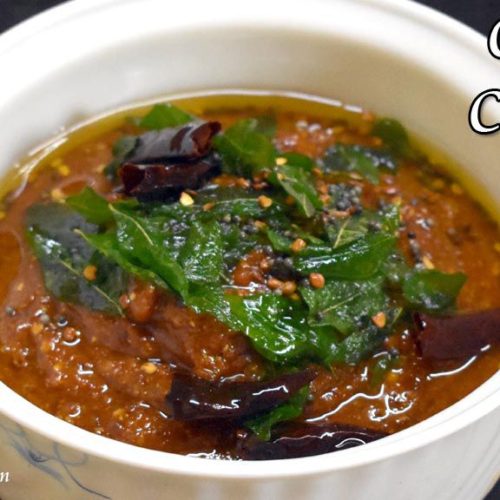
Ginger Chutney Recipe | Allam Pachadi
Ginger Chutney Recipe | Allam Pachadi is one of thehealthy and spicy chutney recipes which suit perfectly with South Indianbreakfast recipes.
Ingredients
- Ginger – 100 gms.
- Oil – 8 tbsp.
- Moong dal – 1 tbsp.
- Chana dal – 1 tbsp.
- Cumin seeds – 1 tbsp.
- Fenugreek seeds – ¾ tbsp.
- Coriander seeds – 1 tbsp.
- Dry red chillies – 80 gms.
- Jaggery – 100 gms.
- Thick Tamarind pulp – 3 tbsp.
- Garlic – 13 No.
- Salt – 2 tbsp.
- Water – required quantity.
- Mustard seeds – ½ tbsp.
- Curry leaves – 2 tbsp.
Instructions
- Remove the skin of ginger and cut it into small pieces. Keep aside so that moisture evaporates.
- Put oil in a pan and add fenugreek seeds, moong dal, coriander seeds, jeera and chana dal.
- Based on the spiciness we need to put 50-80 grams of dry red chillies and ginger pieces.
- Fry all the spices on low flame and transfer to another plate. Let them cool.
- Meanwhile, prepare tamarind paste. Extract tamarind pulp and boil to make a thick paste.
- Once spices are cooled, transfer them to a mixer grinder, put tamarind pulp. I have used already prepared tamarind pulp.
- Add a generous quantity of garlic cloves, jaggery and salt.
- Grind all ingredients to make a soft paste. If needed add little boiled water to enhance the shelf life of the chutney.
- Transfer Allam Pachadi with a dry spoon and keep aside.
- Heat oil in a pan and add fenugreek seeds, mustard seeds, dry red chillies and curry leaves.
- Fry spices till curry leaves turn crisp and season over ginger chutney recipe.
Recipe Video
Recipe Notes
Consistency: The consistency of Allam Pachadi can be as you prefer. Some like it thick, like jam, while some like it slightly loose and pourable. Vary the water added at the time of blending to your liking.
Ginger’s Heat: The ginger’s heat level can vary. In case you find ginger very pungent, a little less can be used. The point is to balance so that the ginger flavor is noted and not overriding.